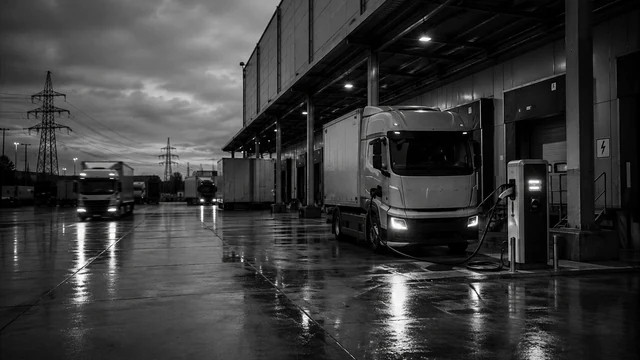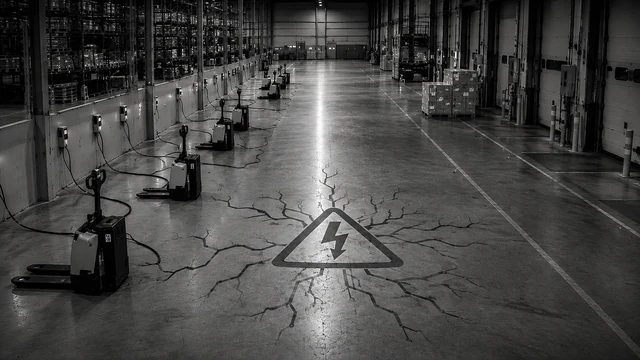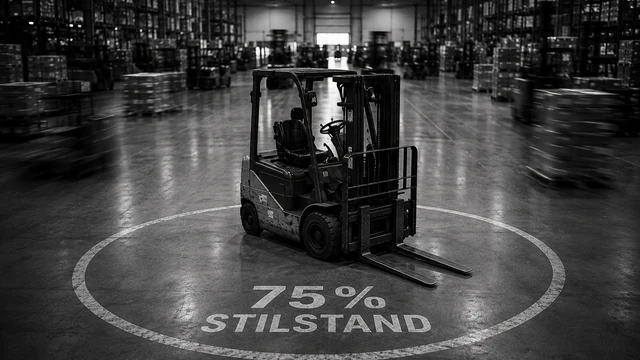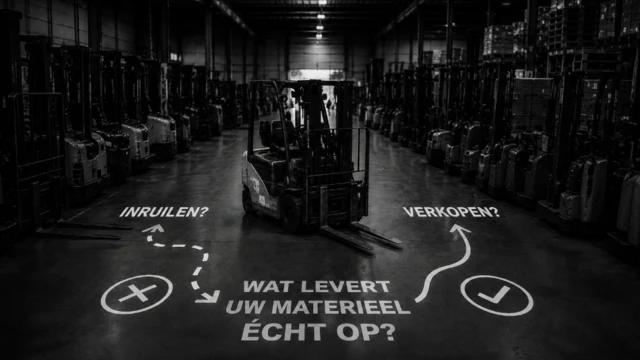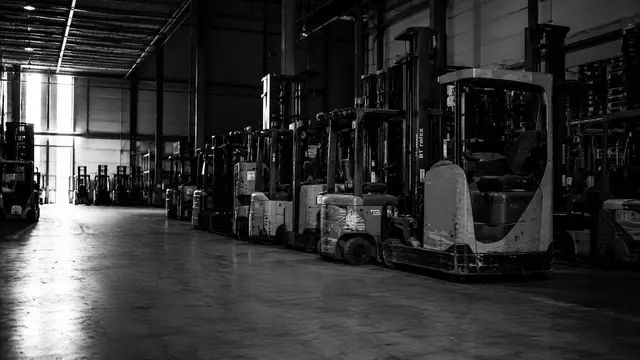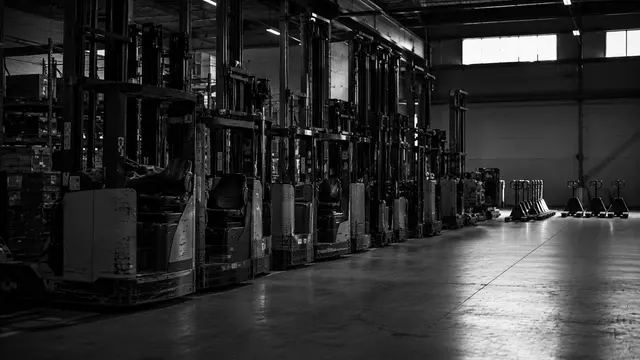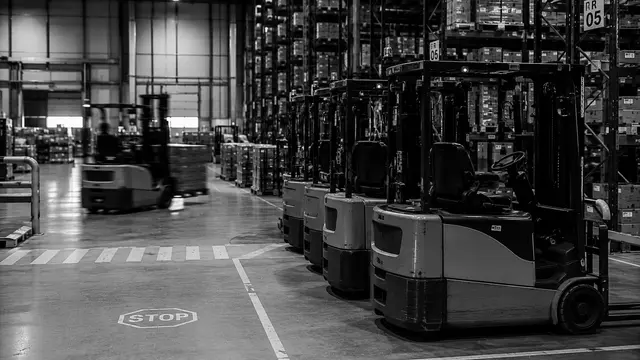
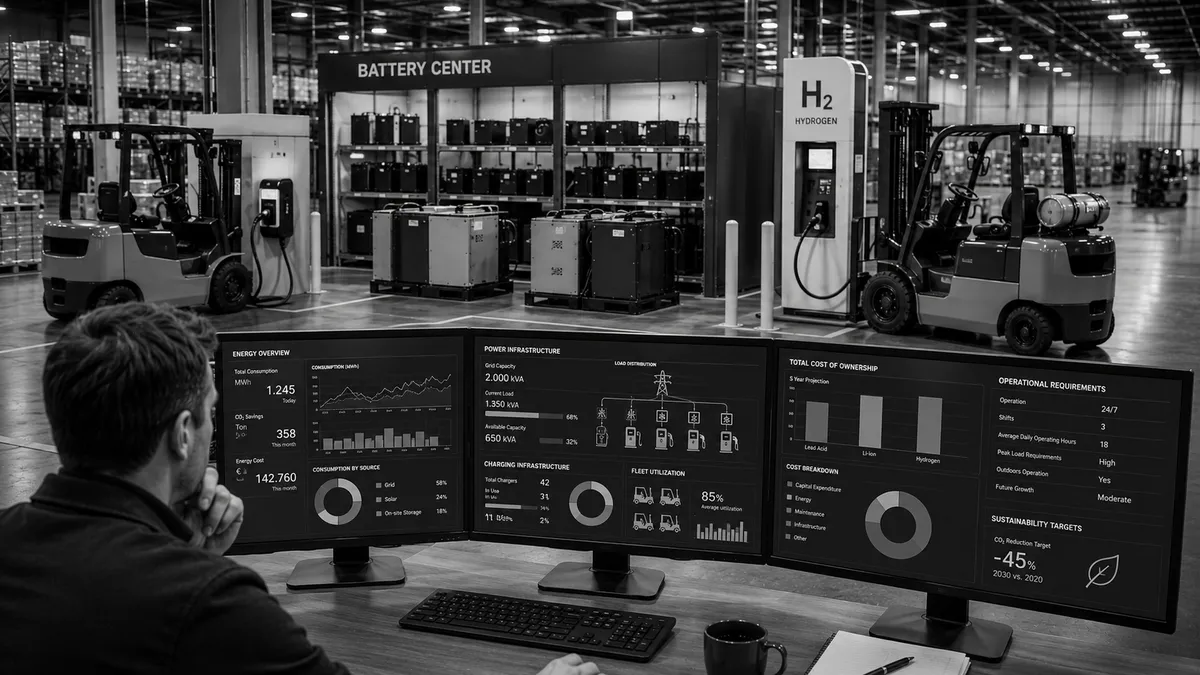
The energy transition is clearly visible within warehouses and production environments too. Diesel trucks are slowly disappearing from view, lead-acid batteries are being replaced by lithium-ion and more and more organisations are exploring alternatives such as hydrogen.
The energy transition of internal transport is the shift from diesel- and lead-acid-powered equipment to lithium-ion, hydrogen and other alternatives, a process shaped by grid capacity, battery chemistry and infrastructure, not just the choice of equipment itself.
On paper, the direction seems clear. Electrification is increasing and new technologies are becoming ever more readily available. Yet in conversations with organisations I notice that practice is often considerably more complex than the discussions being held about it.
The infrastructure matters at least as much
A great deal of attention goes to the choice between different types of power sources, for example, while the underlying infrastructure is at least as important. An organisation may decide to switch entirely to lithium-ion, only to find it lacks sufficient grid capacity to charge all trucks at the same time. In other situations, the existing way of working with lead-acid batteries still functions perfectly well operationally, making the business case less self-evident than initially thought.
Lithium-ion is not a single technology
Within lithium-ion, too, there are major differences that receive relatively little attention in practice. Many organisations mainly compare purchase prices, while the composition of the battery can be at least as decisive for performance, safety and lifespan. Different battery chemistries have been developed for different applications and respond differently to intensive use, fast charging, temperature fluctuations and the number of charge cycles.
What strikes me is that the market often talks about lithium-ion as if it were a single technology, while the underlying differences can be considerable. Two batteries can look virtually identical on the outside, but be built completely differently inside.
The chicken-and-egg problem of hydrogen
You see the same with hydrogen.
Every few years, hydrogen is mentioned again as a promising solution for material handling. Technically, there is a lot to be said for it. Fast refuelling, no long charging times and an availability that fits intensive multi-shift operations well.
Yet we still see very little hydrogen in the logistics sector.
That usually has little to do with the trucks themselves.
The biggest challenge often lies in the availability of the fuel and the infrastructure around it. Without enough users, there is little reason to build new filling stations. Without available filling stations, organisations in turn do not choose hydrogen equipment. The result is a classic chicken-and-egg problem that slows down development.
Permit procedures, safety questions and investment costs also play an important role. As a result, large-scale application remains difficult for many organisations for the time being, even though several successful practical examples exist.
The right solution for a specific situation
That is exactly why I find that the energy transition in material handling rarely revolves around one technology replacing all others. Far more often, it is about finding the right solution for a specific situation.
An organisation with a single shift and sufficient grid capacity often makes different choices than an operation running 24 hours a day. A distribution centre has different requirements than a production environment. And a fleet that has to last ten years calls for different considerations than an investment with a much shorter horizon.
The discussion is therefore not only about batteries, hydrogen or charging infrastructure. Ultimately, it is about which power supply best fits the operation, the infrastructure and the future plans of an organisation. Just as with purchasing new equipment, that choice starts with the operational need, not with the technology.
And that is exactly why, in practice, the energy transition often turns out to be far more complex than the choice between two different types of trucks.
Frequently asked questions
Is lithium-ion always the best choice for forklifts?
No. Lithium-ion offers many advantages, but the business case depends on the operation, grid capacity and usage profile. In some situations lead-acid still performs excellently, and within lithium-ion there are also major differences between battery chemistries.
Why is hydrogen still rarely used in material handling?
The biggest barrier is not the truck technology but the availability of fuel and infrastructure, alongside permit procedures, safety questions and investment costs. Without users there are no filling stations, and without filling stations no users.
How do you choose the right power source for your fleet?
Start with the operation: shift patterns, usage profiles, grid capacity and future plans. Combine those operational requirements with a financial analysis across the full lifespan. The right choice differs per situation, because there is rarely one technology that fits everywhere.

Sjef Kerkvliet is the founder of OctaFlow and has more than 15 years of experience in intralogistics, warehouse optimisation and internal transport. Drawing on his hands-on experience, he helps organisations with questions around goods flows, process improvement, warehouse layout, automation and operational efficiency.
Want to talk about your operation?
A logistics or operational challenge? OctaFlow is happy to think along. No fuss, just a good conversation.