Intralogistics flow
A well-organised warehouse and a logical flow bring more overview, less waste and a more efficient operation. We help set up processes in a smarter, more logical way.
More about intralogistics optimisation →

15+ years of industry experience.
A selection of the companies we work with. From internal transport and equipment to strategic questions: OctaFlow helps organisations work smarter, make better informed decisions and get more return from their logistics.


A well-organised warehouse and a logical flow bring more overview, less waste and a more efficient operation. We help set up processes in a smarter, more logical way.
More about intralogistics optimisation →The right equipment, from forklift to reach truck, in the right place makes an immediate difference in safety, productivity and cost control.
More about equipment optimisation →OctaFlow brings structure to operational processes and helps organisations steer better on continuity, performance and results.
More about the operational quick scan →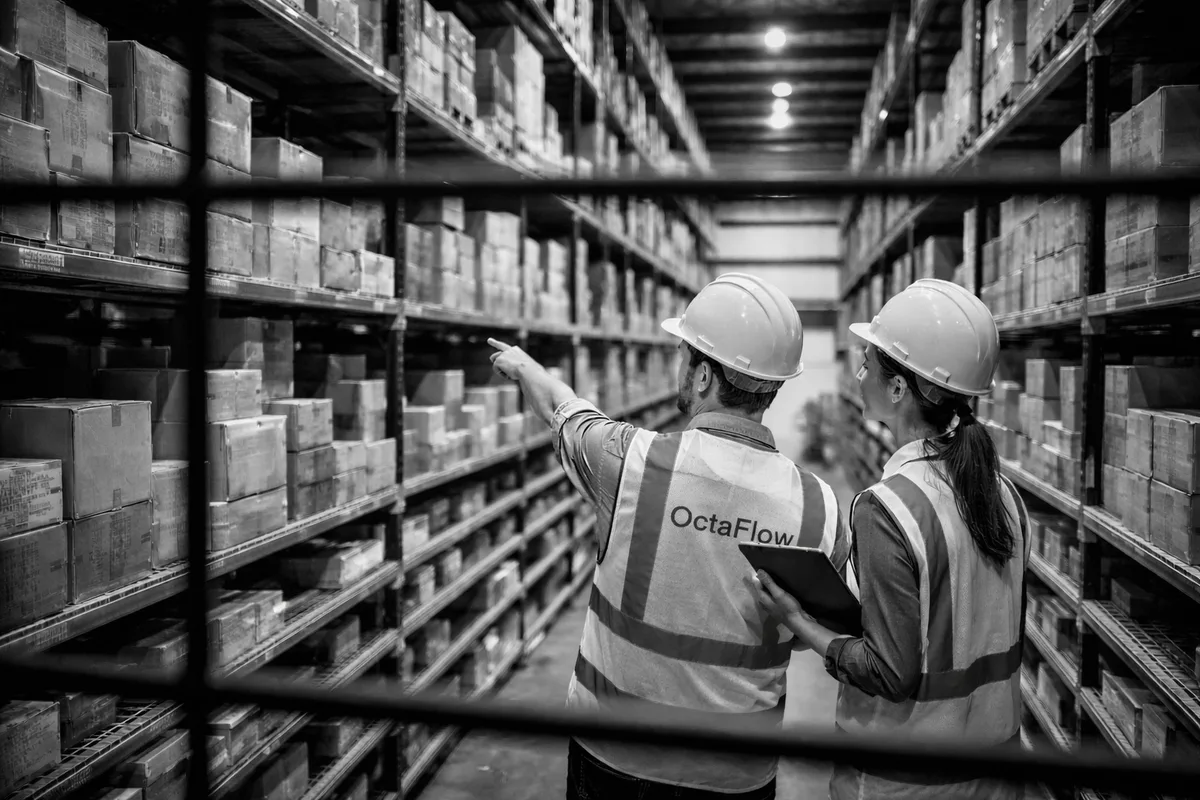
OctaFlow combines hands-on experience with a sharp eye for intralogistics, MHE and operational processes. You get a thorough substantiation, but that report is never the end point: the advice has to reach the shop floor and make a difference there.
Solutions shouldn't just sound good, they should actually work in practice. That's why OctaFlow focuses on advice that's workable on the floor and fits the daily operation.
The goal isn't just to analyse processes, but to deliver improvements that bring more grip, calm and return within the operation.
OctaFlow supports organisations where intralogistics, equipment deployment and operational efficiency directly affect performance. Especially in environments where speed, space, reliability and continuity are crucial.
For logistics service providers, warehouses and distribution centres where flow, use of space, equipment deployment and reliability shape the operation every day.
More about this industry →For manufacturers and industrial sites where internal transport, supply and operational coordination are essential to continuity and output.
More about this industry →For organisations where speed, availability, safety and flawless internal logistics directly affect service, quality and delivery reliability.
More about this industry →For environments where high volumes, time pressure and multiple links demand grip on equipment, processes and operational collaboration.
More about this industry →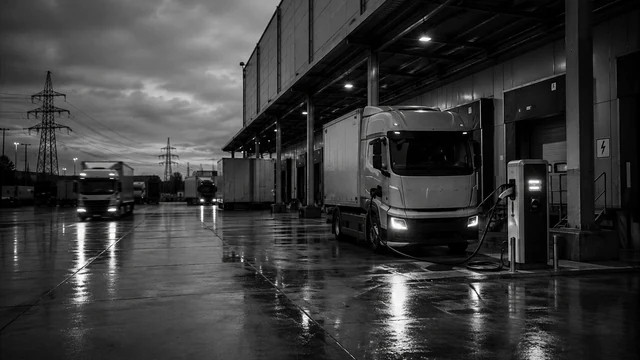
Customers increasingly ask whether their electric trucks can charge at your site. What that means for your grid connection, peak power and charging infrastructure.
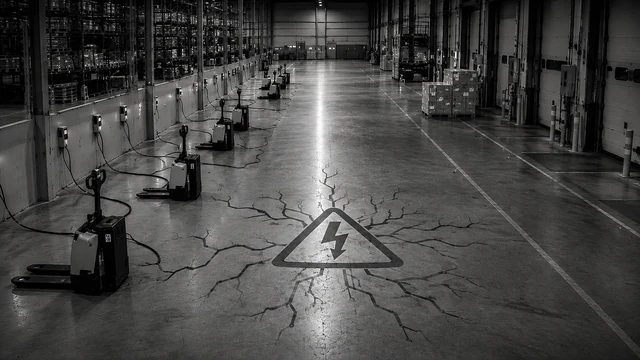
Grid congestion is hitting more and more warehouses. Why charging electric forklifts is not as simple as it looks, and how to design smart charging and peak power management.
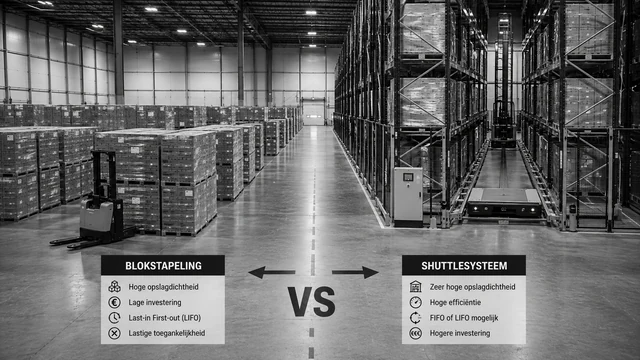
Block stacking or a pallet shuttle system? The pros and cons, and when each storage method genuinely fits your warehouse.
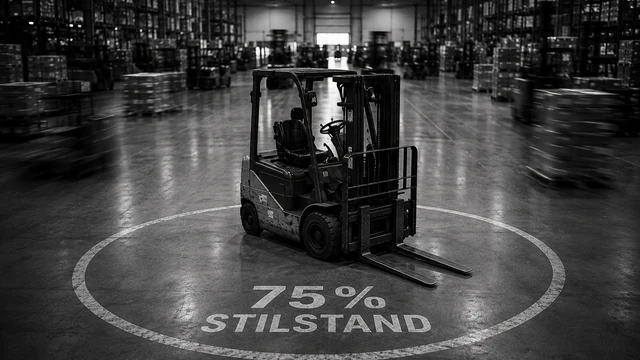
The hour meter often tells a different story than the shop floor. Calculate your forklift fleet utilisation rate and discover what idle time really costs per operating hour.
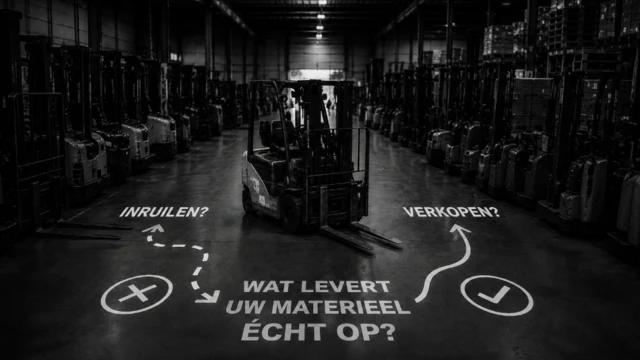
Selling or trading in a forklift? Discover how to get the maximum residual value from used forklifts, reach trucks and other material handling equipment.
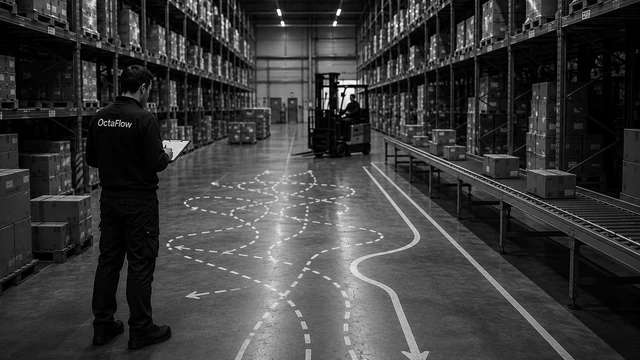
Warehouse layout doesn't start with available space, it starts with the logistics flow. Why installing racking without understanding the process leads to hidden inefficiency.
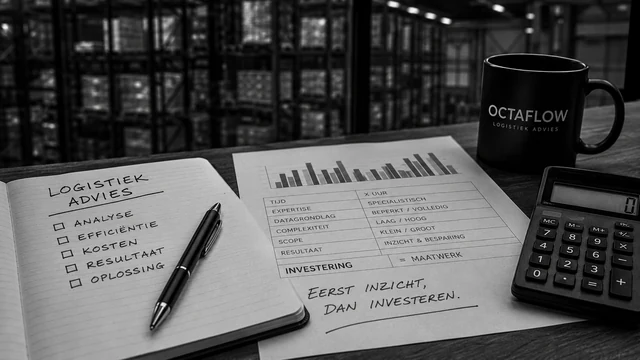
What does a logistics consultant cost? Prices vary widely per project. Why that is the case, and why free advice is rarely truly free.
Not every logistics consultant is truly independent. The difference lies in the business model, and it shows in the quality of the advice.
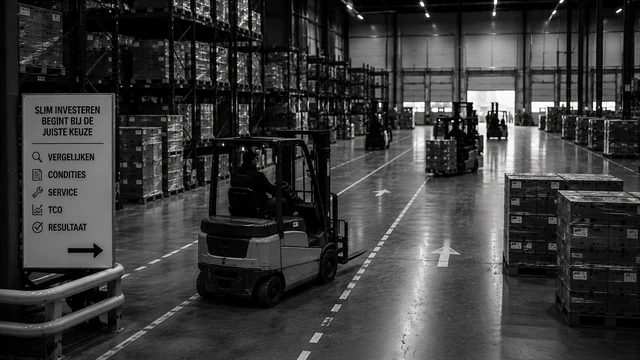
Not every MHE purchase needs a tender. When guidance genuinely makes the difference, and what a tender manager does differently than a buyer.
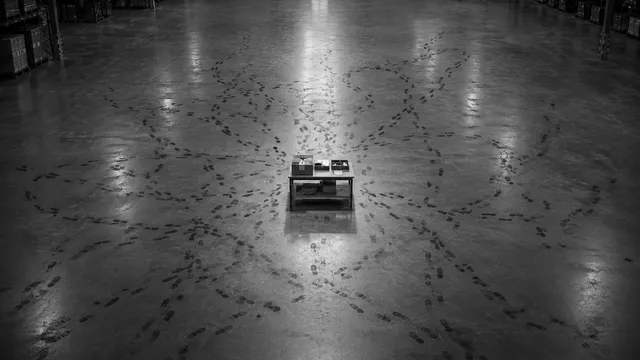
Many people think of automation or extra equipment. Yet the biggest gains usually lie in the processes that already exist.
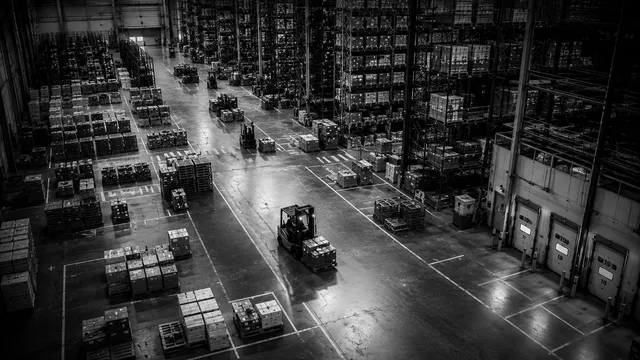
The bottlenecks are often already known. A warehouse scan reveals the bigger picture and surfaces improvement opportunities that went unnoticed before.
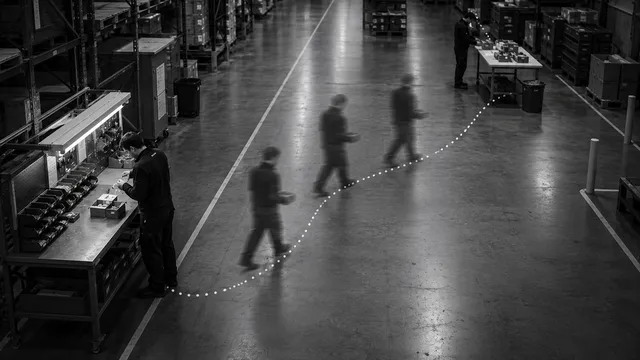
The discussion quickly jumps to systems and capacity. But the biggest gains often come from first asking the right question: why do we do it this way?
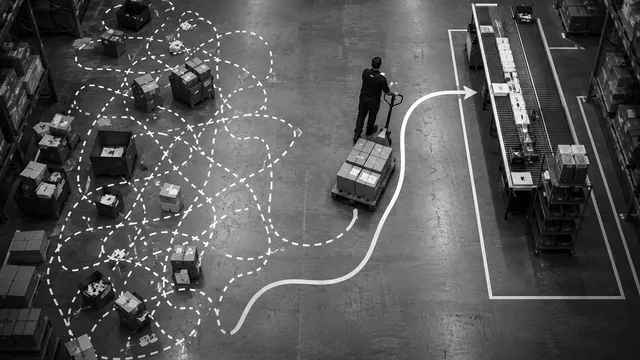
Not dashboards or methodologies, but the willingness to keep examining the daily operation critically. That is where Operational Excellence begins.
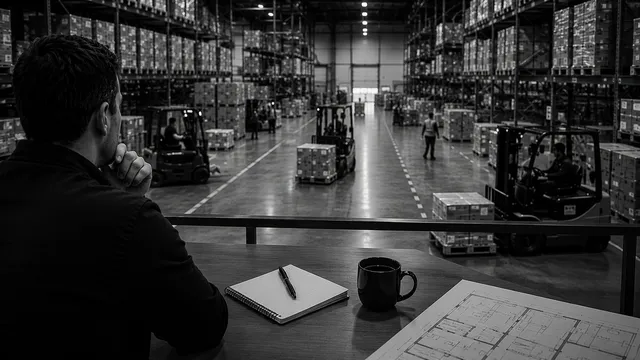
Busyness feels like a shortage, but says little about utilisation. Often there is no shortage of equipment, but of efficiency.
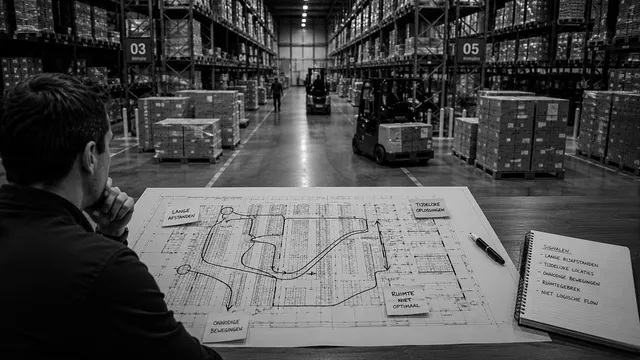
Long travel distances, lack of space and temporary locations that became permanent: often the layout isn't wrong, the operation simply changed faster than the setup.
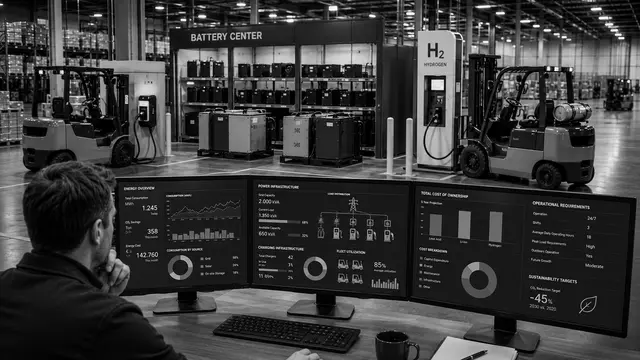
Electrification seems a clear direction. But grid capacity, battery chemistry and infrastructure make the choice more complex than often assumed.
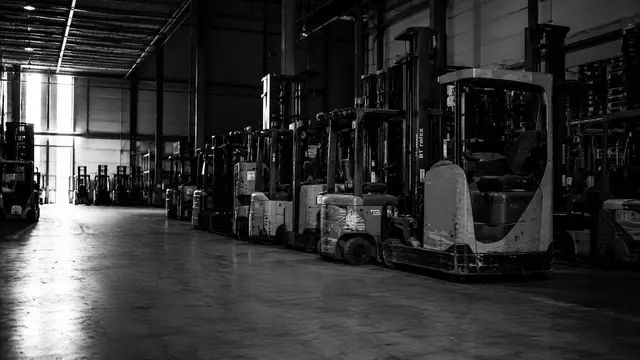
Comparing specifications, assessing quotations. But what about the old equipment? That is exactly where unexpected costs and missed revenues arise.
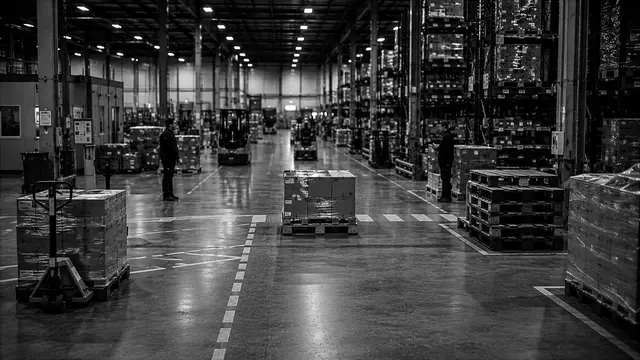
Damage and breakdowns stand out. But ten employees losing minutes a day to waiting and searching go unnoticed. And that is what costs more.
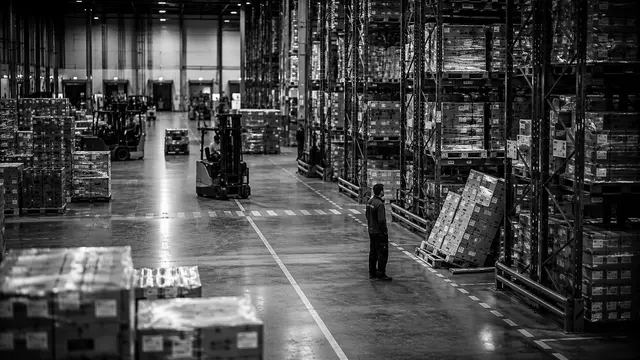
No dashboard sees as much of the operation as the people in the middle of it. Yet much of that knowledge remains unspoken.
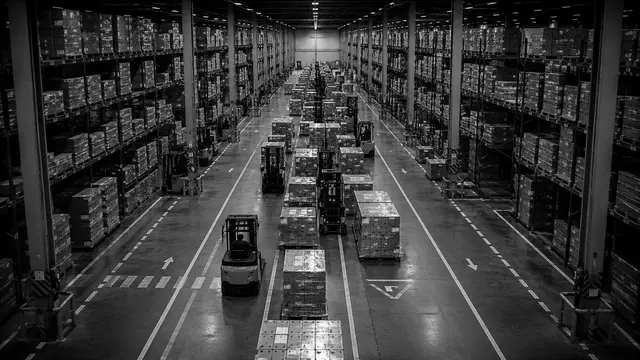
Warehouses become remarkably good at solving problems. So good that nobody asks any more why they keep coming back.
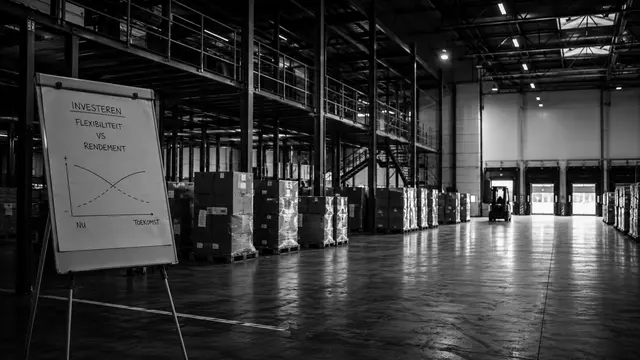
Customer contracts have a limited term, but investments do not. On the fundamental dilemma of contract logistics.
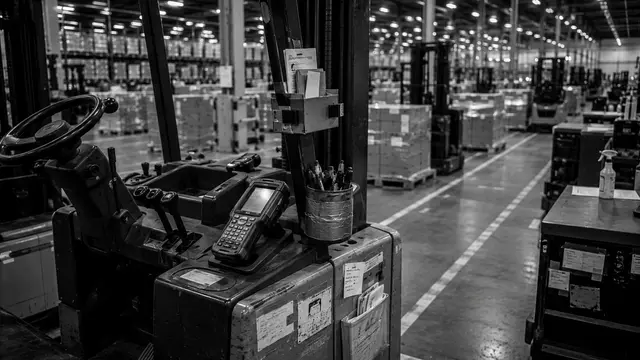
An improvised scanner holder or a home-made canopy: what started as a stopgap turns out to still be in use years later.
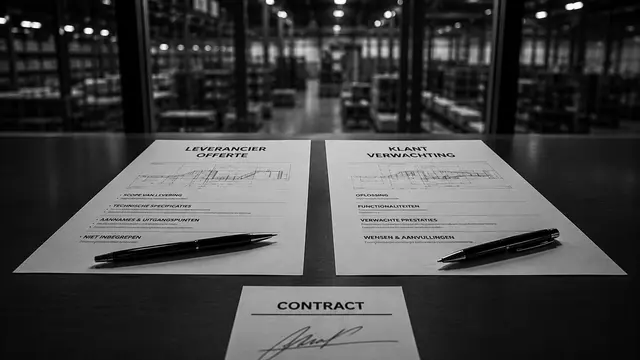
Both parties think they agreed the same thing, until execution starts. On scope, assumptions and the real work before the signature.
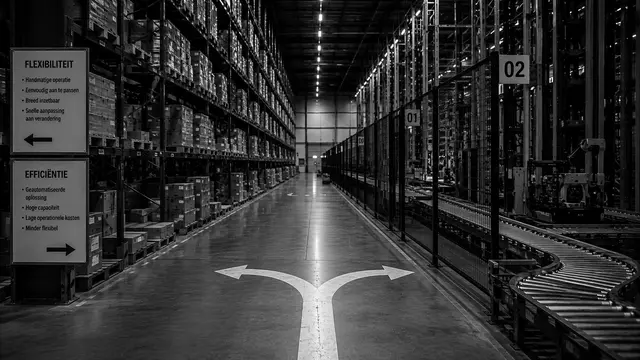
Every choice sits somewhere between maximum efficiency and maximum flexibility. The best choice depends on where your operation needs to be in five years.
Lack of space, capacity, ageing equipment. Yet the key question is rarely asked: does the layout still fit the company of today?
Employees who know everything and solve everything are worth their weight in gold. Until they fall ill, go on holiday or leave.
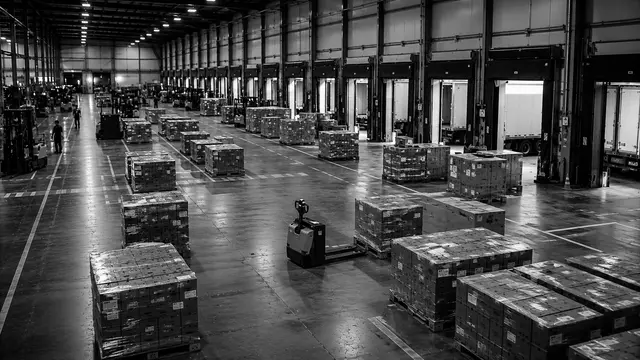
The difference between 8 and 12 km/h seems significant. But over 30 metres it amounts to seconds, while wear, energy use and strain increase sharply.
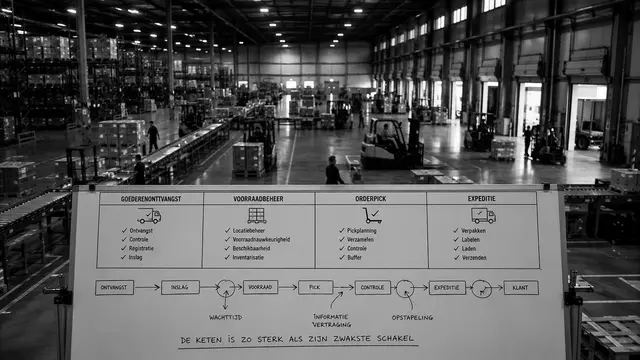
Inbound, inventory and dispatch each perform fine. But an operation is not a collection of departments, it is one flow.
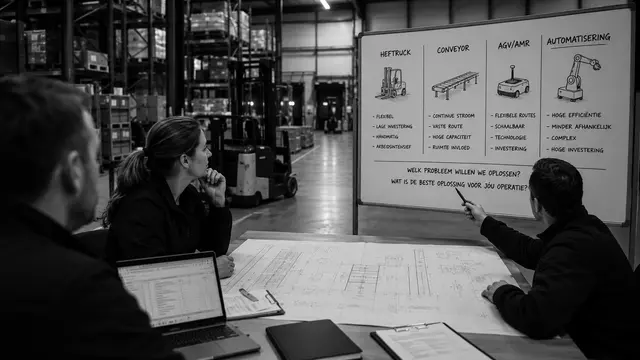
A forklift supplier will rarely advise you not to buy a forklift. Why the first question should never be which solution is best.
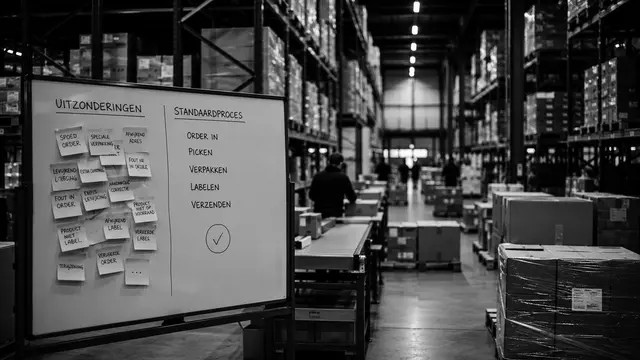
Exceptions stand out and get attention. But the success of a warehouse is determined by the thousands of actions that simply continue every day.
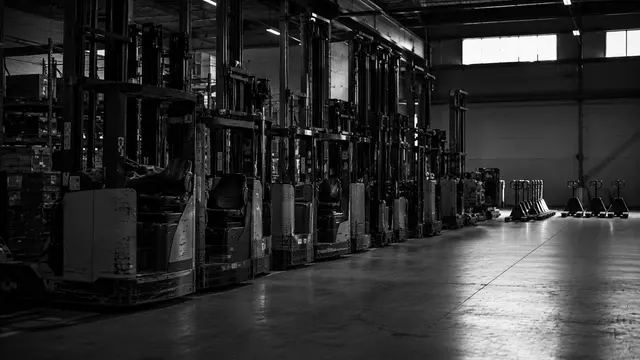
Idle equipment feels cheap, but lease, maintenance and inspections keep running. On the hidden costs of an oversized fleet.
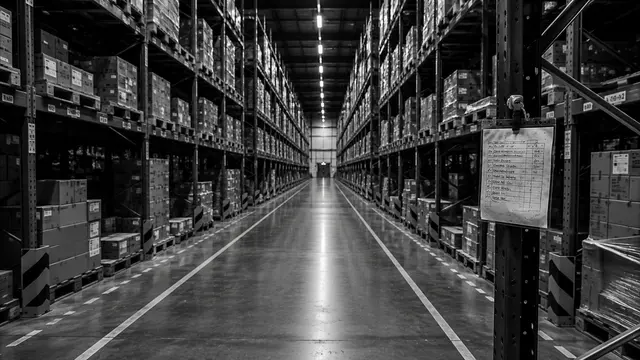
Personal spreadsheets, handwritten lists and informal agreements: the shop floor plugs the gaps in the process every day, often without anyone noticing.
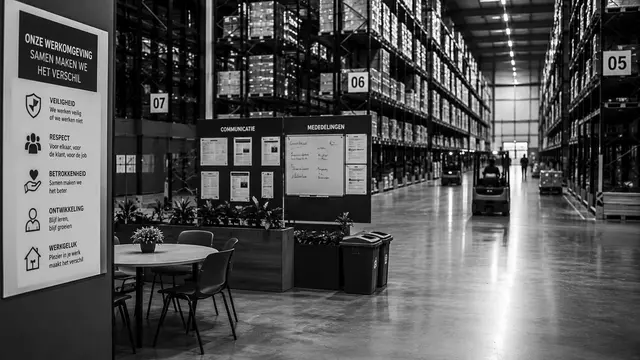
Capacity and processes get all the attention, but the working environment itself is often underestimated, even though it shapes performance and staff retention.
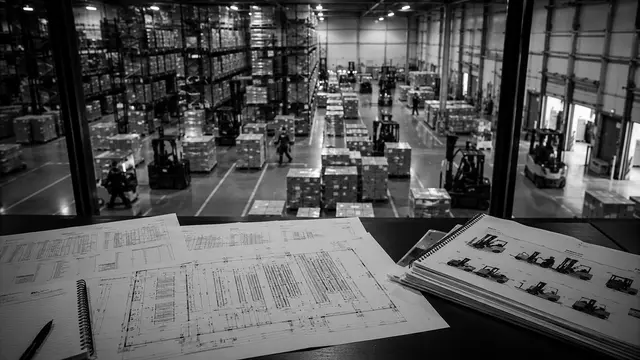
Using the current fleet as the starting point sounds logical. But that way you are not comparing solutions, you are mainly extending a historical choice.
Staff who deviate from the process are often corrected. Yet those very deviations say something valuable about the process itself.
Waiting times and complaining staff: the conclusion seems obvious. But a perceived equipment shortage often has a different cause.
When damage occurs, all eyes turn to the driver. Yet the real cause of recurring damage almost always lies elsewhere.
Forklifts dash back and forth and everyone is on the move. But busyness says little about how much value is actually being added.
Answer 15 targeted questions about your logistics and receive a personal report with the most important areas for attention straight away.
Answer targeted questions about your forklifts and other internal transport equipment and receive a personal report with the most important areas for attention for your fleet.
Equipment going out? Your supplier makes one offer and resells that machine afterwards. Put a second price next to it, collected from several dealers who bid against each other.
OctaFlow is happy to think along about where gains can be made within your organisation. A logistics or operational challenge? We help make bottlenecks visible and carry through targeted improvements.
OctaFlow helps organisations set up intralogistics, MHE and operational processes more intelligently. With a practical approach and a sharp eye for the shop floor, we bring structure, overview and improvement where it truly counts.