When damage occurs through a collision with a forklift or reach truck, attention usually turns straight to the driver. That is understandable. After all, someone was behind the wheel when the damage happened. Yet in my experience, that is rarely the full story.
Structural forklift damage is damage that keeps occurring in the same place or under the same circumstances, and almost always points to an underlying cause in the layout, the process or MHE deployment, rather than a driver's lack of skill.
Over the past 15 years I have seen many logistics operations focus mainly on the person who caused the damage, while the real cause often lies elsewhere. Of course there are situations where inattention or insufficient driving skill plays a role, but structural damage problems almost always have a deeper cause.
Look beyond the driver
When the same racking keeps getting hit at a site, the same doors keep getting damaged or incidents keep occurring at the same junction, it is wise to look beyond the individual driver. Chances are the layout of the operation plays an important role.
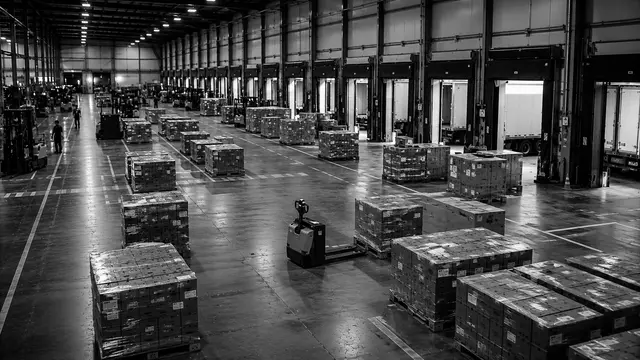
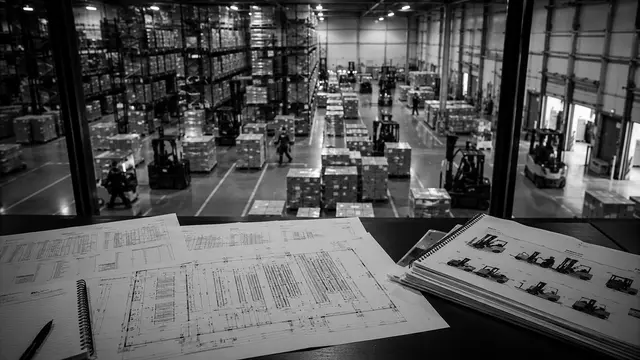
Many warehouses have grown over the years. Extra storage locations are added, racking is moved and walkways disappear to create more storage capacity. This usually happens step by step. Each change seems logical, but over time a situation arises in which space, visibility and traffic flows no longer fit together properly.
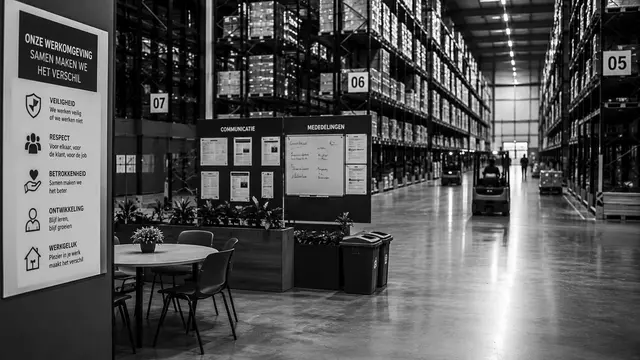
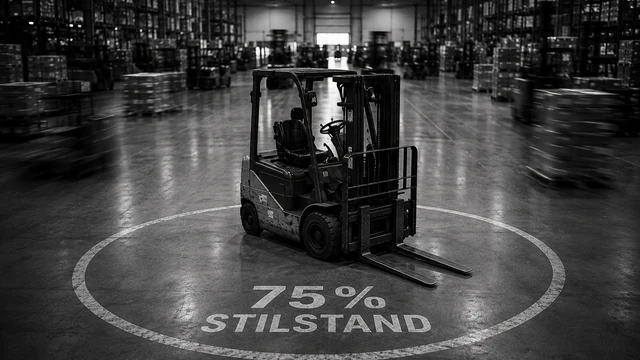
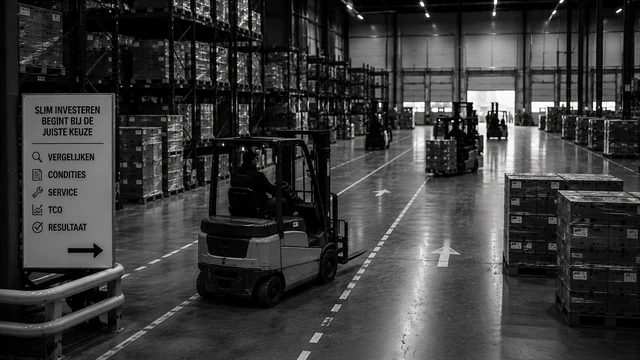
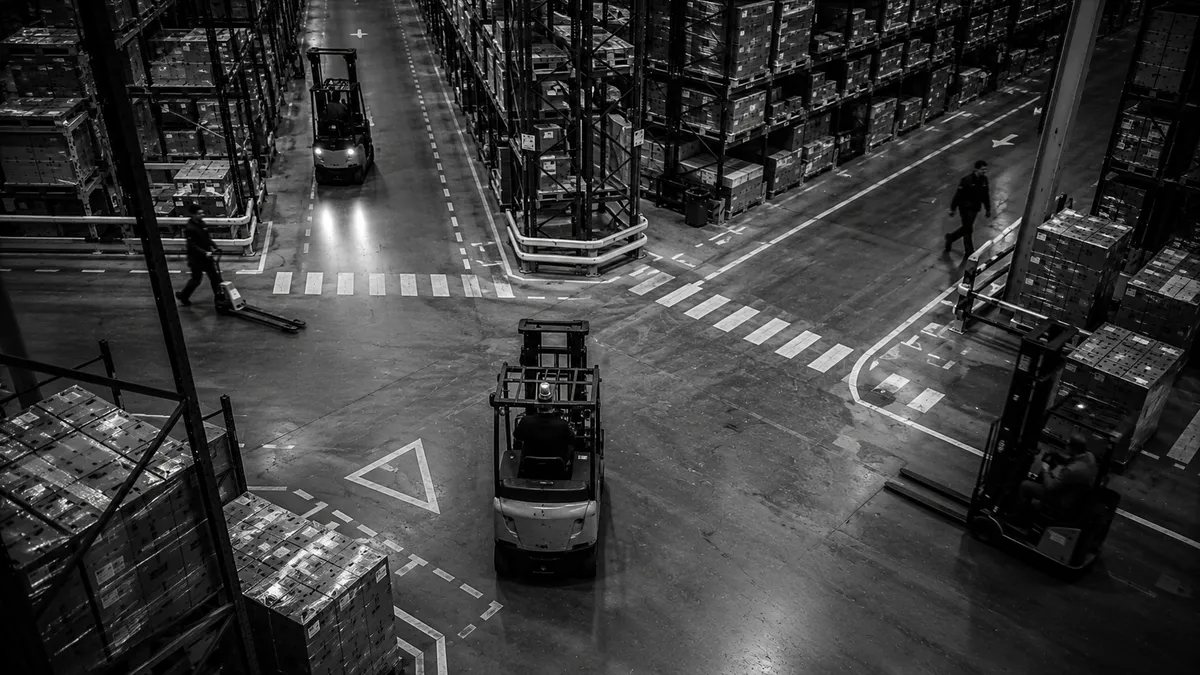
I regularly see sites where drivers have to manoeuvre large machines in aisles that are really too narrow for the work taking place there. Junctions with limited visibility, protruding loads, parked equipment and a lack of physical separation between pedestrians and internal transport are also common. In such situations the likelihood of damage naturally increases, regardless of who is on the truck.
Repetition is a signal
An interesting signal is when the same kind of damage keeps recurring. When several drivers within an organisation cause similar incidents, it makes little sense to keep looking only at the drivers. It is then more likely that the process or the working environment is contributing to the problem. Problems that keep coming back are rarely incidents.
A practical example I have come across several times is a warehouse where the storage layout was changed to create more pallet positions. The investment was successful from a capacity point of view, but a few months later the number of damage cases visibly increased. The drivers had not changed, the equipment was the same and the work was largely unchanged. What had changed was the available manoeuvring space. The cause of the damage was therefore not primarily the driver, but a change in the operation.
Training matters, but it is not the whole answer
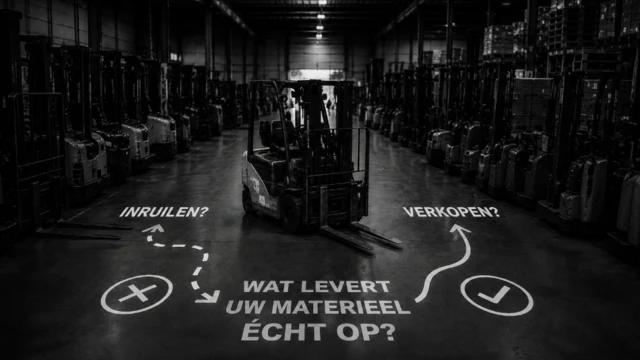
That does not mean driver training is unimportant. Well-trained drivers remain essential for a safe working environment. Yet I see organisations sometimes invest a great deal of time and money in training, while the biggest improvements can be made by looking critically at the working environment.
An analysis of driving routes, traffic flows, sightlines and the layout of the warehouse often yields more than yet another instruction for the driver. Factors such as driving speed and the overall quality of the working environment also play a part. Ultimately, safety is not a property of a driver, but of the operation as a whole.
So when damage keeps recurring, the most important question is not who caused the damage, but why that damage could occur in that spot at all. The answer to that question is what usually leads to structural improvements.
Frequently asked questions
What is the most common cause of forklift damage?
Structural damage is rarely caused by one driver. Far more often, narrow aisles, limited visibility, missing separation between pedestrians and internal transport and accumulated layout choices play a role.
Does extra driver training prevent damage?
Training remains essential, but rarely solves structural damage problems on its own. When several drivers cause similar damage, the cause usually lies in the working environment or the process.
How do you tackle recurring damage structurally?
Analyse where and when damage occurs, and look at driving routes, traffic flows, sightlines and layout. The question is not who caused the damage, but why it could occur in that spot at all.

Sjef Kerkvliet is the founder of OctaFlow and has more than 15 years of experience in intralogistics, warehouse optimisation and internal transport. Drawing on his hands-on experience, he helps organisations with questions around goods flows, process improvement, warehouse layout, automation and operational efficiency.
Want to talk about your operation?
A logistics or operational challenge? OctaFlow is happy to think along. No fuss, just a good conversation.