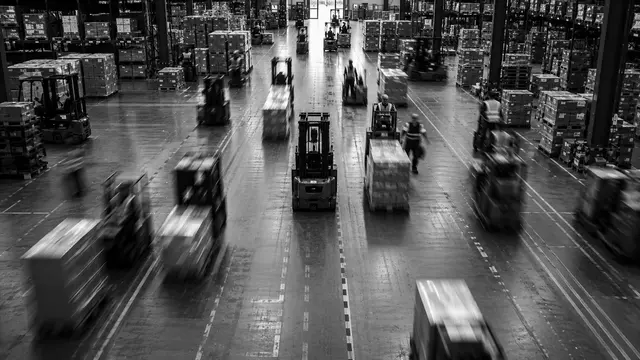
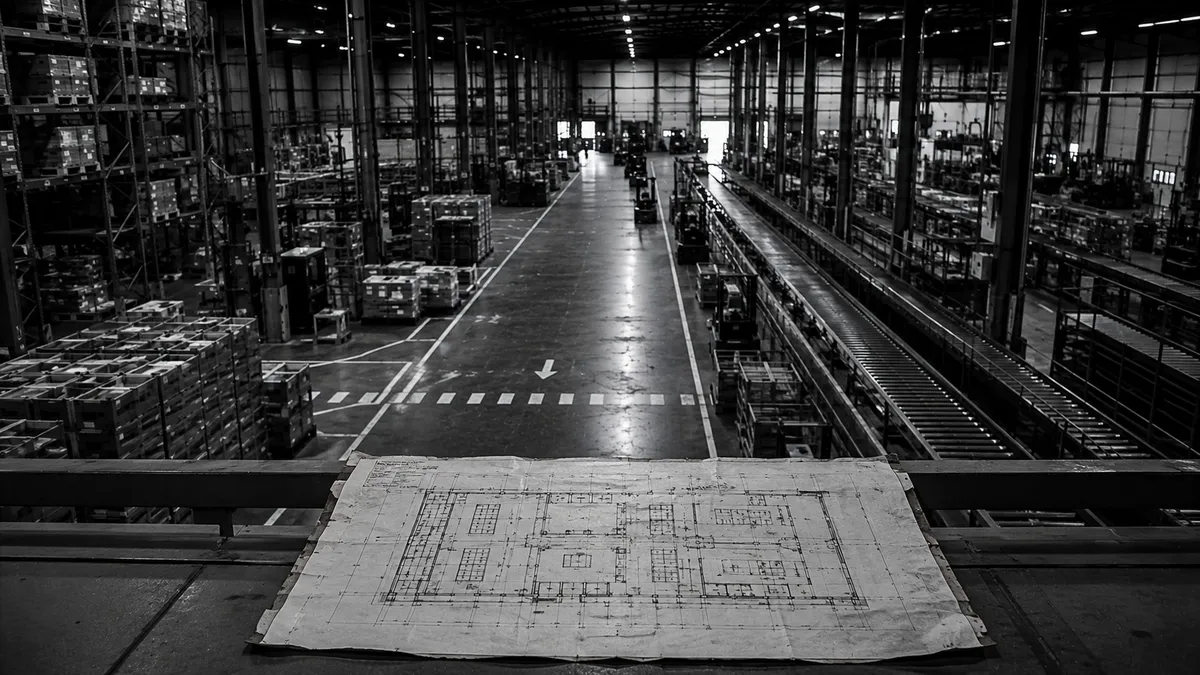
When organisations think about improvements in their warehouse, the conversation usually turns to lack of space, productivity, staff shortages or growing volumes. That is logical. These are the topics that are visible on the shop floor every day and directly affect the operation.
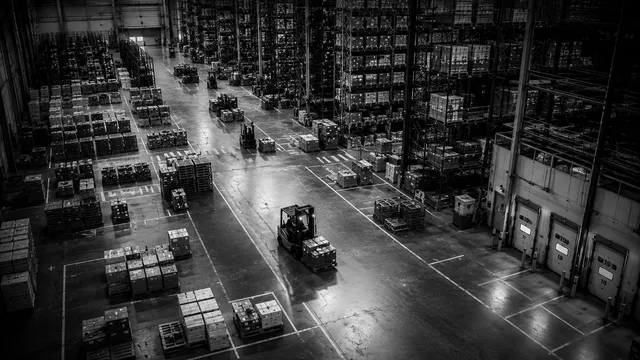
An outdated warehouse design occurs when the layout has stayed the same while the company, volumes or product range around it have changed, so the design no longer fits today's operation.
Yet during warehouse visits I regularly notice that a more important question is hardly ever asked.
Is the warehouse actually still designed for the company that exists today?
Good choices from a different era
Many warehouses were designed on the basis of the knowledge, techniques and possibilities available at the time. That does not mean those choices were wrong. On the contrary. They were often excellent solutions that fitted the operation of that moment perfectly.
The problem is that the logistics world keeps developing at a rapid pace.
New storage concepts, automation solutions, software platforms and transport technologies mean organisations today have possibilities that did not exist ten, twenty or sometimes even five years ago. At the same time, customers, products, order profiles and market expectations change as well.
Yet I regularly see organisations still working from assumptions established years ago. Not because nobody wants to change, but because many processes still function.
As a result, there is often no direct reason to ask fundamental questions about the design of the operation.
Replace or reconsider?
What I find interesting is that many improvement projects start with the question of how something can be replaced. A machine is outdated, a system needs renewing or a part of the warehouse has reached the end of its technical life.
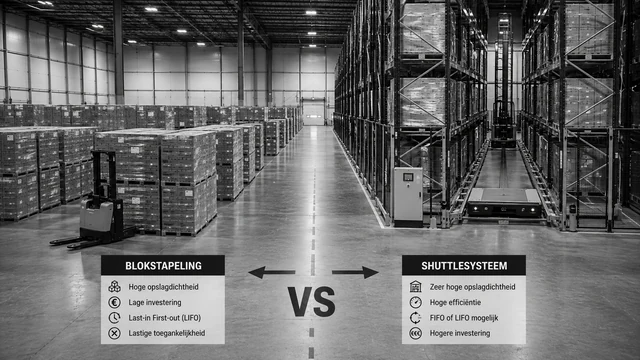
That seems a logical starting point, but sometimes the more interesting question is whether the same solution would even be chosen again today. You see the same pitfall in MHE tenders that use the current fleet as their starting point.
A practical example that has always stayed with me involved an organisation facing a major investment. An important part of the existing setup had reached the end of its life and had to be replaced at relatively short notice. The first reaction was understandable: replace what is there and make sure the operation can keep running as quickly as possible.
During conversations with various people within the company, however, a different discussion emerged. Not so much whether the existing solution should be replaced, but whether the same solution would be chosen again today. The original setup had been designed at a time when many of today's techniques, automation options and software systems simply did not exist.
What was a logical and future-proof choice decades ago is not automatically still the best choice today.
From replacement question to strategic discussion
Together with employees from different disciplines, the focus was therefore not only on replacing existing assets, but above all on the question of how the same goods flow would be designed today if all options were back on the table. This produced insights that would probably never have emerged if only the original replacement question had been considered.
In the end, the most practical short-term solution was chosen. The continuity of the operation and the required speed of action made an immediate redesign of the entire setup unrealistic. Yet the analysis delivered something far more valuable than just an investment decision.
What began as a replacement question grew into a strategic discussion about the future of the operation. A discussion that would probably never have taken place if the focus had remained on replacing what was already there.
The question that produces the best conversations
On paper, a challenge appears to be about lack of space, capacity, ageing assets or a necessary investment. When you look further, the real challenge often turns out to be much bigger. Not because the existing solution is bad, but because the circumstances in which that solution was once conceived have completely changed.
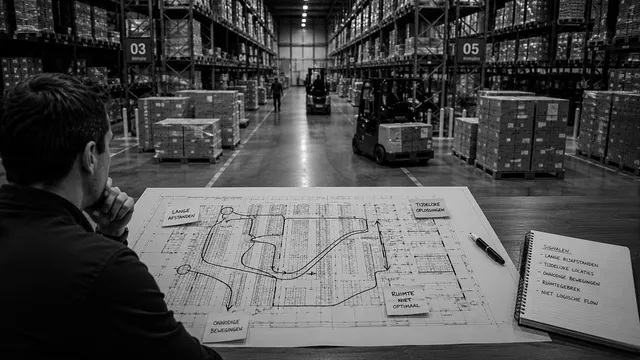
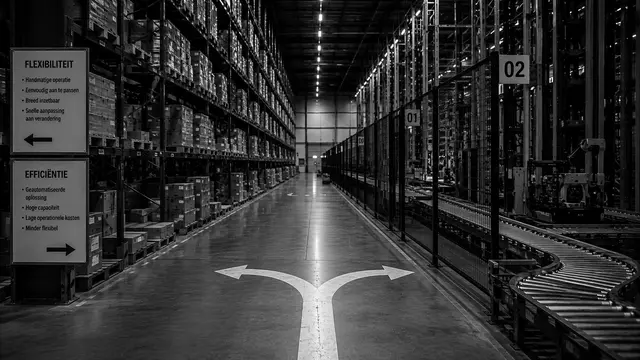
That is why, during analyses, I like to ask a simple question. If this warehouse were designed from scratch today, would it look the same?
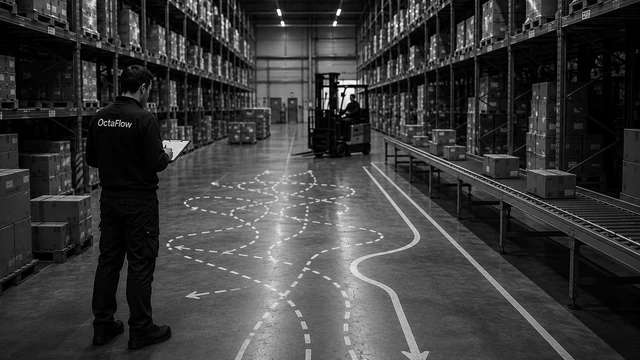
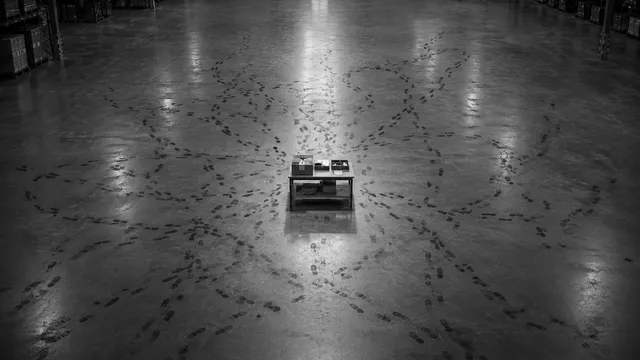
Strikingly, that question often produces the most interesting conversations. Not because everything should immediately change, but because people suddenly start looking critically at assumptions that have been taken for granted for years. Assumptions that lead, for example, to everyone being busy without the operation running efficiently.
That is often where the biggest improvement opportunities lie. Not necessarily in new buildings, extra square metres or the latest technology, but in re-evaluating choices once made on the basis of the knowledge and possibilities of that moment.
The strongest organisations I encounter are therefore not necessarily the ones with the newest warehouses or the most advanced systems. They are often the organisations that regularly take the time to look critically at their own operation and ask themselves whether the assumptions of the past still fit the reality of today.
Because a solution that was perfect twenty years ago is not automatically the best solution today.
And that is exactly where the most valuable improvements often emerge.
Frequently asked questions
How do you know if your warehouse layout is outdated?
A warehouse layout is outdated when it is still based on assumptions made years ago, while customers, products and order profiles have since changed. Because many processes simply keep functioning, this often goes unnoticed. A simple test: would you choose the same layout again if you were designing the warehouse from scratch today?
Should you simply replace outdated warehouse equipment?
Not automatically. First ask whether you would choose the same solution again today, because the original setup was often designed when many of today's automation and software options did not yet exist. Sometimes replacement remains the most practical short-term choice, but that broader analysis often produces valuable insights for the future of the operation.
Where do the biggest improvement opportunities lie in an existing warehouse?
Usually not in new buildings, extra square metres or the latest technology, but in re-evaluating choices once made on the basis of the knowledge available at the time. The strongest organisations regularly take the time to check whether the assumptions of the past still fit the reality of today.

Sjef Kerkvliet is the founder of OctaFlow and has more than 15 years of experience in intralogistics, warehouse optimisation and internal transport. Drawing on his hands-on experience, he helps organisations with questions around goods flows, process improvement, warehouse layout, automation and operational efficiency.
Want to talk about your operation?
A logistics or operational challenge? OctaFlow is happy to think along. No fuss, just a good conversation.