When organisations describe their processes, everything usually looks orderly. Goods come in, are checked, stored, picked and eventually shipped. On paper it seems logical, structured and manageable.
A warehouse that is smarter than its processes unconsciously compensates for the shortcomings of the formal process with informal workarounds like personal spreadsheets and verbal agreements, which is exactly why those shortcomings rarely become visible.
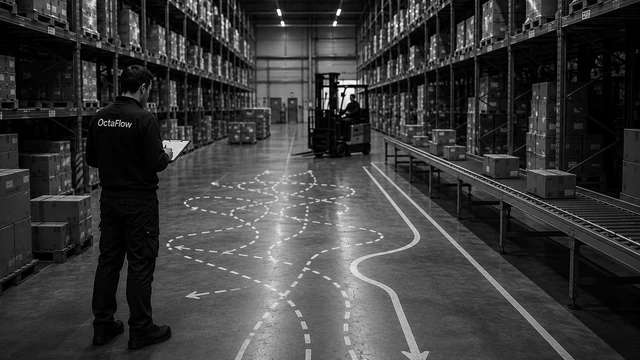
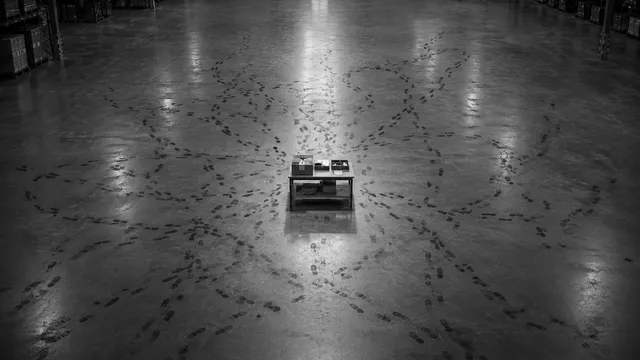
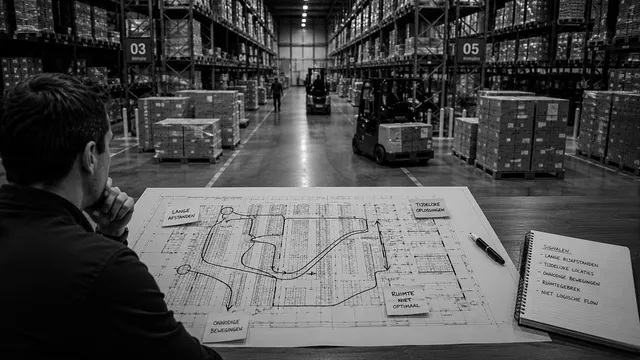
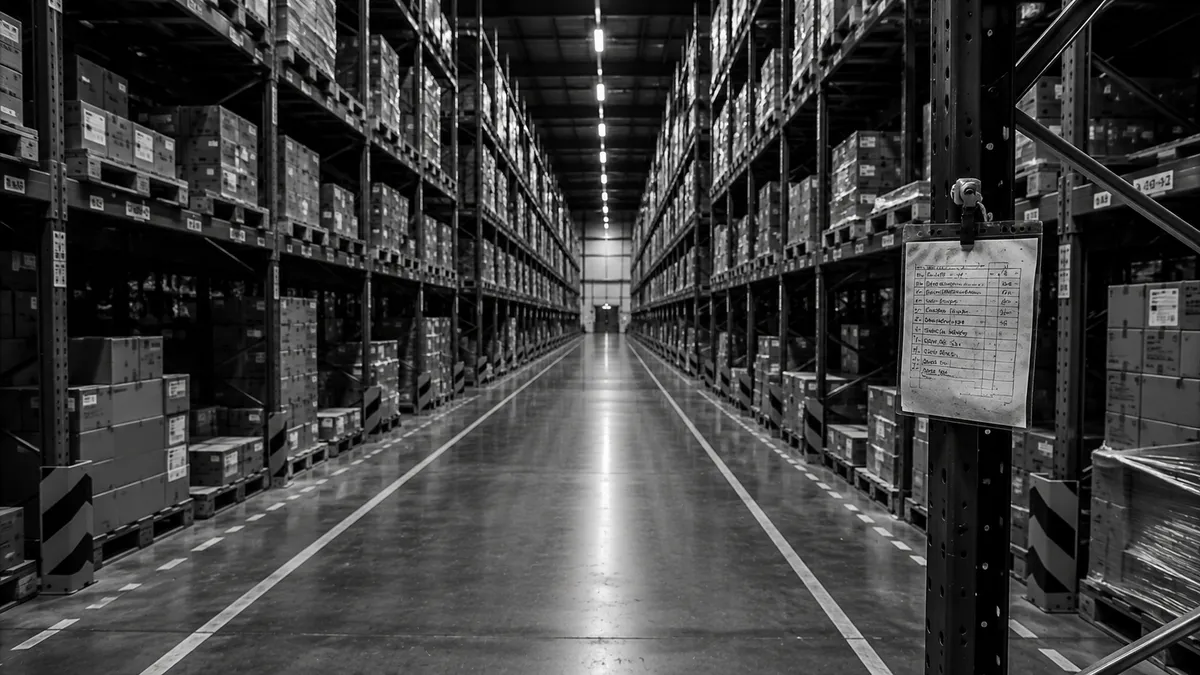
Yet reality often looks different. What regularly strikes me during warehouse visits is that the operation often functions much better than the process actually deserves. That may sound strange, but when you look closely you see that employees have devised all kinds of solutions to compensate for shortcomings in processes: sometimes a personal spreadsheet, sometimes a handwritten list, sometimes an informal agreement between colleagues or departments, and sometimes simply that one experienced employee who knows exactly how to handle an exception. On paper, these solutions often do not exist. In the daily operation, however, they are indispensable.
Impressive and risky at the same time
In fact, in some organisations a surprisingly large part of the operation runs on these kinds of informal working methods. That is both impressive and risky: impressive because employees are clearly engaged enough to solve problems themselves, risky because the organisation easily gets the impression that the process works well, while in reality people are plugging the gaps in that process every day.
As long as the same employees are present, this usually remains invisible. Only when someone falls ill, goes on holiday or leaves the organisation does unrest arise: suddenly it turns out that nobody knows exactly how a particular exception should be handled, or where a crucial overview is kept, or why a particular working method ever came about. At that moment it becomes visible that the knowledge was not in the process, but in the people, a risk I described earlier in why your best employee can be your biggest risk.
Signs your warehouse is smarter than the process:
- a personal spreadsheet or list exists "on the side", separate from the official system
- one employee gets a striking number of questions from colleagues about how something works
- when that person is off sick or on leave, unrest immediately follows on the floor
- no one can explain any more why a particular way of working came about
- several employees each have their own fix for the same problem
- the official process description noticeably differs from how the work actually happens
From temporary fix to permanent fixture
What makes this topic interesting is that these situations usually arise with the best of intentions: an employee comes up with a faster way of working, a planner creates a handy overview to prevent errors, a team agrees a practical working method among themselves because the official process does not fit daily practice. All logical choices.
The problem arises when these temporary solutions become permanent without anyone asking why they are actually needed. Over time, the organisation gets used to the workaround and it comes to be seen as part of the process, after all, temporary solutions are rarely temporary. That is often where things go wrong: behind virtually every workaround is a process that does not quite fit reality somewhere. When one employee devises a clever solution, that can be innovation. When ten employees all devise their own solution to the same problem, that is usually a signal that the process needs attention.
Looking at the deviations
That is why, during analyses, I often look not only at the official working method but precisely at the deviations from it: which spreadsheets are used daily, which lists have become indispensable, which work is carried out differently from what is described, and which employees get a striking number of questions from colleagues? Those are usually the places where the biggest improvement opportunities lie, not because employees are doing something wrong. On the contrary, they often discovered years ago where the process falls short and devised a practical solution for it themselves. That is exactly why it is valuable to listen to them, not only to understand their solution, but above all to discover which problem it was originally solving.
The goal: making workarounds unnecessary
In many organisations, the warehouse has thereby become smarter than the process itself. Employees have found ways to work around limitations, absorb exceptions and still get the work done. That deserves appreciation, but it should also be a reason to look critically at the processes. Because in the end, the goal is not to devise ever-smarter workarounds, the goal is to design processes so well that those workarounds become less and less necessary.
The strongest operations I encounter are not the operations with the cleverest tricks or the most exceptions. They are the operations in which employees can spend their time adding value, instead of solving problems every day that the process itself should have prevented. Because the smarter people have to be to keep a process running, the greater the chance that the process itself needs improvement.
Frequently asked questions
Are workarounds in a warehouse a problem?
Workarounds are not a problem in themselves, but they are a signal that the process does not quite fit daily practice. As long as the same employees are around this often stays invisible, yet the knowledge sits in people rather than in the process. When someone falls ill, goes on holiday or leaves, it suddenly turns out nobody knows exactly how an exception should be handled.
How do you spot workarounds in your operation?
You spot workarounds by looking not only at the official working method, but precisely at the deviations from it. Think of spreadsheets that are used daily, lists that have become indispensable, work carried out differently from what is described and employees who get a striking number of questions from colleagues. Those are usually the places where the biggest improvement opportunities lie.
How do you get rid of workarounds in your warehouse?
Workarounds only disappear once you design the underlying process so well that they are no longer needed. Listen to the employees who devised them, because they know which problem the workaround was originally solving. That frees people up to spend their time adding value, instead of plugging the gaps in the process every day.

Sjef Kerkvliet is the founder of OctaFlow and has more than 15 years of experience in intralogistics, warehouse optimisation and internal transport. Drawing on his hands-on experience, he helps organisations with questions around goods flows, process improvement, warehouse layout, automation and operational efficiency.
Want to talk about your operation?
A logistics or operational challenge? OctaFlow is happy to think along. No fuss, just a good conversation.