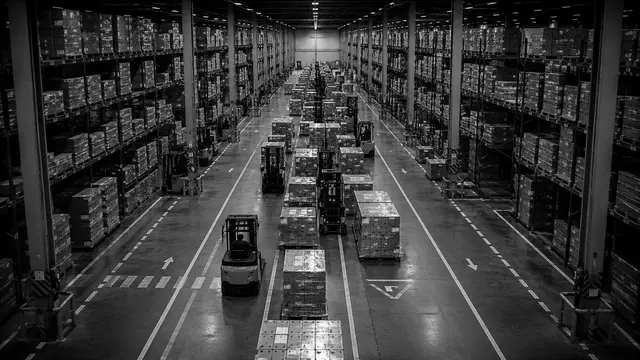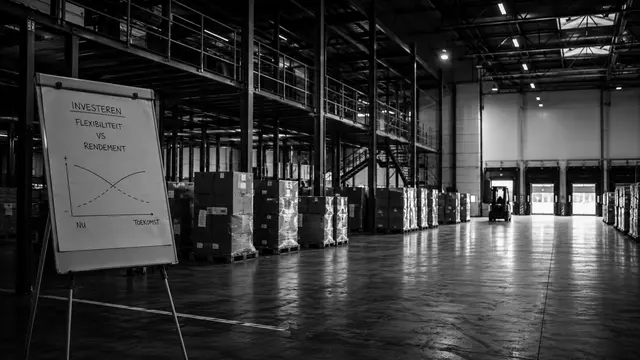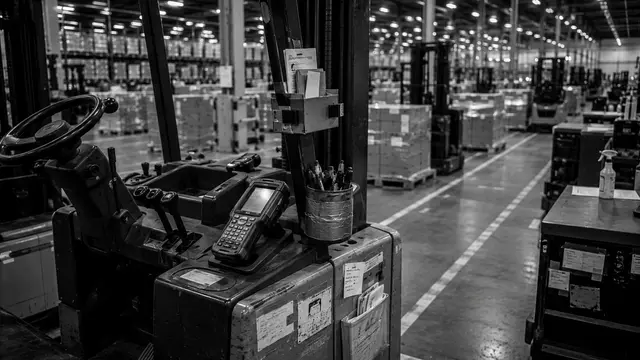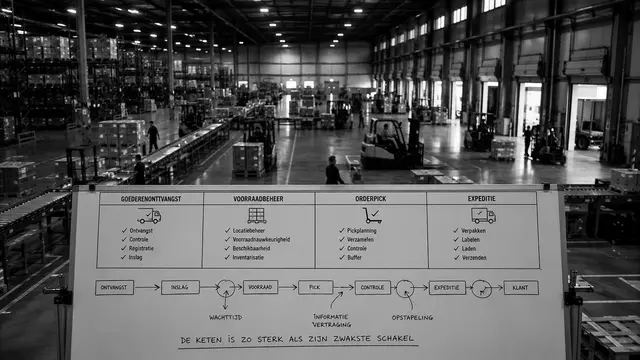
Operational Excellence is a term that is used regularly within the logistics sector. At the same time, I notice that different organisations understand something different by it. For one it is about KPIs and dashboards, for another about Lean methodologies, automation or continuous improvement.
Operational Excellence in logistics means continuously improving processes, collaboration, safety and the flow of goods to achieve structurally better operational performance.
Although all of these topics can play a role, in practice I see that Operational Excellence is often less complicated than it sounds.
Ultimately it is about structurally improving the daily operation.
Good performance rarely happens by chance
What strikes me when I visit organisations is that strong operational performance is usually not the result of one big decision. Far more often it is the result of dozens of smaller choices that are made consistently over a longer period of time.
Processes are clearly organised, responsibilities are clear and employees know what is expected of them. Problems are not only solved, but also investigated to understand why they arose.
This creates an organisation that does not depend on chance, but in which performance becomes increasingly predictable.
Temporary solutions tend to become permanent
At the same time, I see that many organisations are faced with challenges that require immediate action. A customer grows faster than expected, volumes increase or a process turns out to function differently in practice than anticipated.
The solution is then often intended to be temporary.
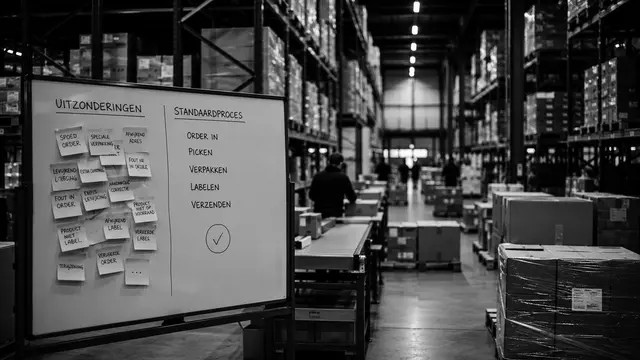
An extra check is added. An alternative route is set up. An employee is given an additional task. In themselves these are often logical choices that help keep the operation running.
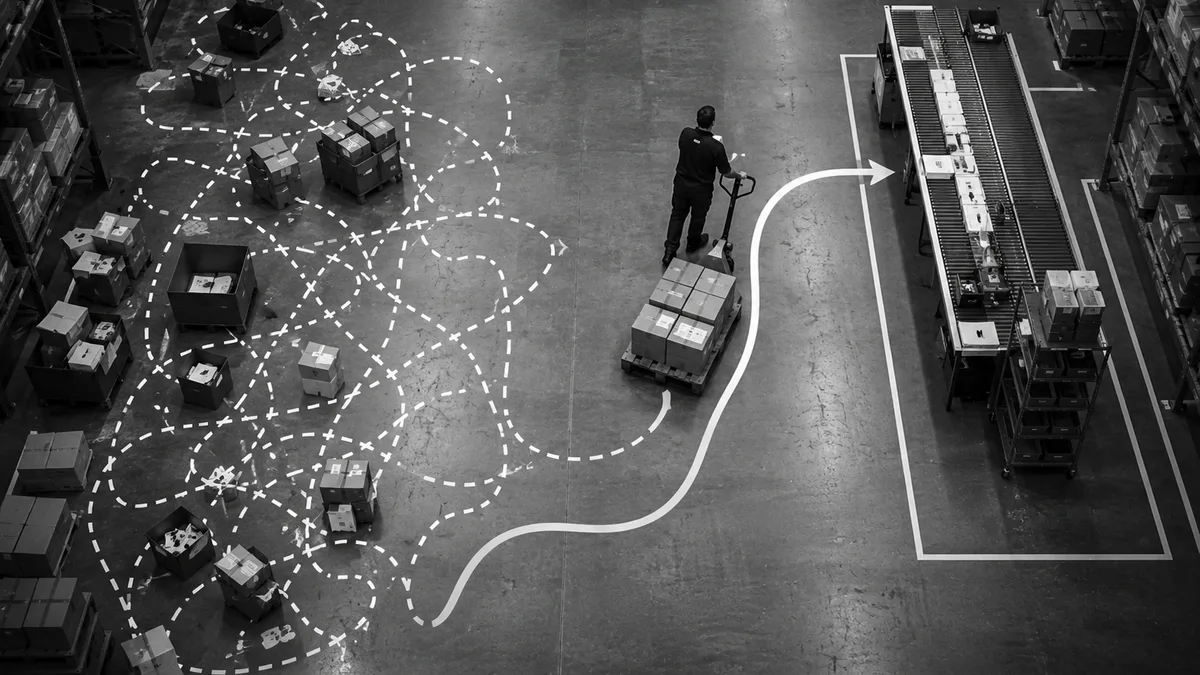
The problem arises when these temporary solutions persist for years without being reassessed.
This slowly creates more complexity and makes it increasingly difficult to let processes function efficiently.
Improvement begins with curiosity
What many successful organisations have in common is that they keep looking at daily practice. Not because everything goes wrong, but precisely because they understand that almost every process can be improved.
I notice that the most valuable questions are often surprisingly simple.
- Why do we carry out this step?
- Why is this product in this location?
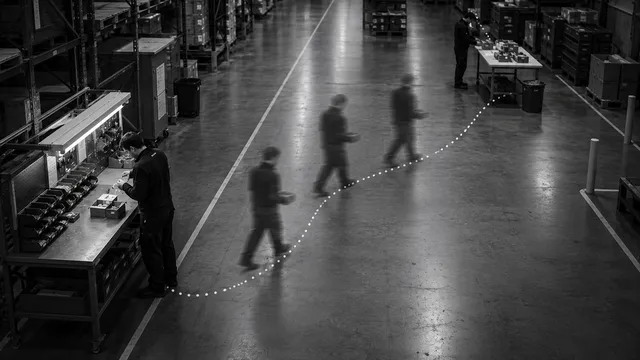
- Why do drivers take this route?
- Why is this done in this way?
It is precisely that curiosity that prevents processes from being taken for granted. What seemed logical for years sometimes turns out to be based on a choice that was once made under completely different circumstances.
Operational Excellence is not a destination
One of the biggest misunderstandings around Operational Excellence is that it would be an end goal. As if an organisation is finished improving at a certain point.
In practice I see exactly the opposite.
Markets change, customers change and logistics operations change constantly. As a result, the challenges organisations face shift too.
What is an optimal way of working today does not have to be in three years' time.
That is exactly why Operational Excellence is not about achieving perfection, but about the ability to keep learning and improving continuously.
More than efficiency alone
The discussion about Operational Excellence is ultimately not only about efficiency.
It is also about safety, quality, collaboration, flexibility and the ability to move with changes in the market.
Organisations that are successful in this therefore do not focus solely on figures or processes. They look at the entire operation and keep investigating critically where improvements are possible.
Operational Excellence is therefore not a project, not a certification and not a one-off improvement programme either.
Ultimately it is a way of looking at the daily operation and the willingness to regularly reconsider existing ways of working.
Frequently asked questions
What does Operational Excellence mean in logistics?
Operational Excellence is a way of working in which organisations continuously strive to improve processes, quality, safety, efficiency and customer satisfaction.
Is Operational Excellence the same as Lean?
No. Lean can be an important part of Operational Excellence, but Operational Excellence is broader and also covers topics such as safety, quality, collaboration, leadership and continuous improvement.
Why is Operational Excellence important?
Because logistics operations change constantly. Organisations that regularly evaluate and improve their processes are often better able to absorb growth, change and new challenges successfully.

Sjef Kerkvliet is the founder of OctaFlow and has more than 15 years of experience in intralogistics, warehouse optimisation and internal transport. Drawing on his hands-on experience, he helps organisations with questions around goods flows, process improvement, warehouse layout, automation and operational efficiency.
Want to talk about your operation?
A logistics or operational challenge? OctaFlow is happy to think along. No fuss, just a good conversation.