
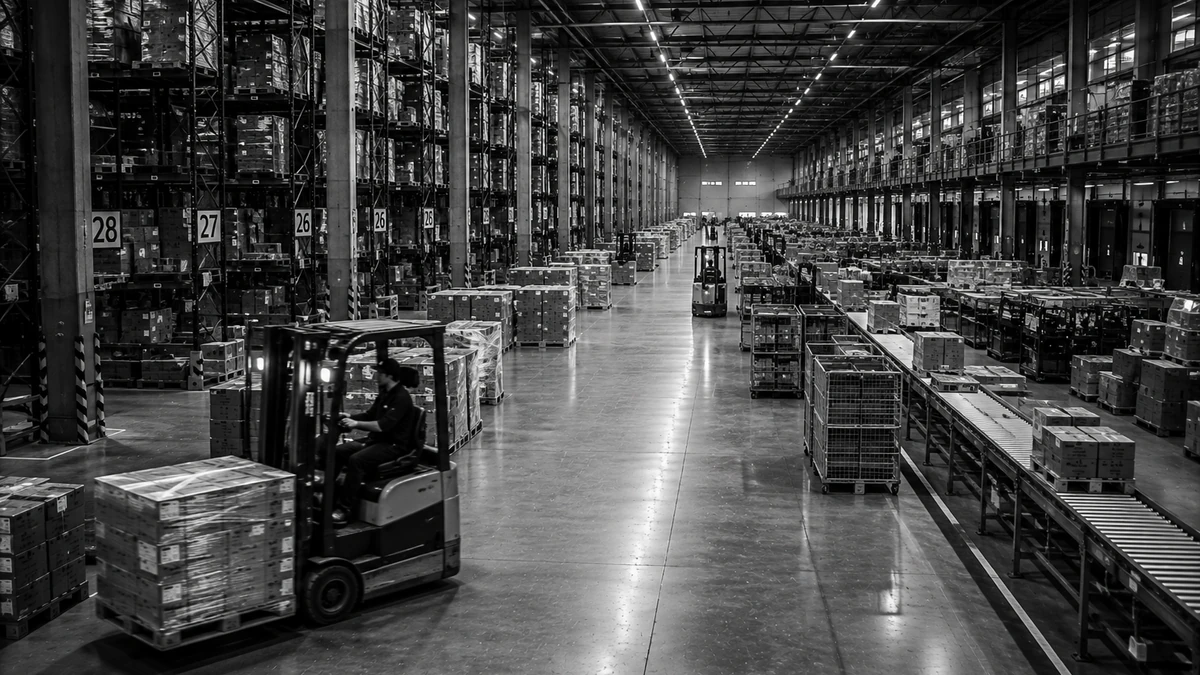
Anyone thinking of Dutch logistics hotspots arrives almost immediately at Tilburg and Waalwijk. A central location, good connections towards Rotterdam, Antwerp and the German hinterland, and plenty of modern industrial estates make Central Brabant an obvious choice for national and international distribution centres.
Precisely because so much comes together here, operational decisions matter more. In a warehouse with dozens of forklifts or hundreds of pallet movements per hour, a small inefficiency quickly has major consequences for cost, safety or available capacity.
Growth that raises new questions
Many distribution centres in this region have grown considerably in recent years. At the same time labour is becoming scarcer, the electricity grid is filling up and the pressure to use square metres sparingly is rising. New warehouses are now designed with automation, charging infrastructure and future expansion in mind.
As a result, a decision about material handling no longer stands on its own. The choice of a reach truck, very narrow aisle truck or shuttle system directly affects the warehouse layout, the charging capacity required, and the room you will still have to grow in five years.
What I regularly encounter here
No warehouse is the same, but a number of questions keep returning:
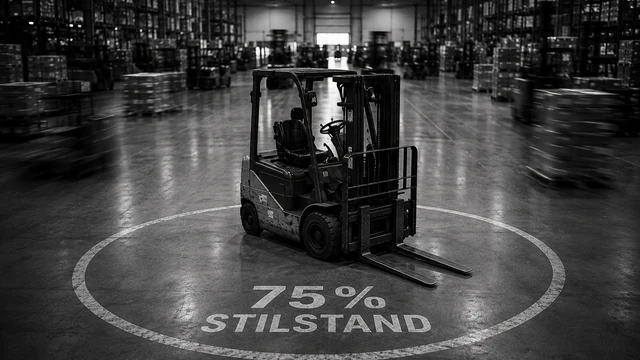
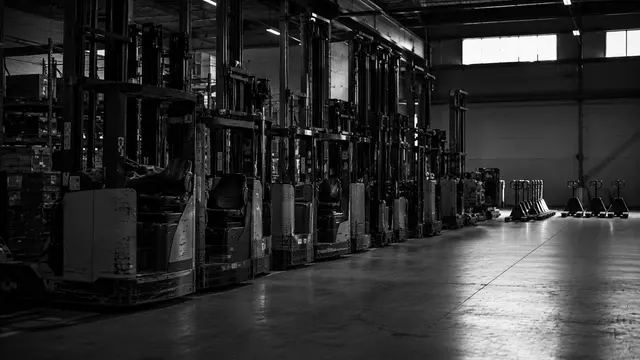
- a forklift fleet that has grown over the years without anyone reassessing the total deployment
- storage capacity under pressure while expanding the building is barely an option
- a switch to lithium-ion where the existing connection turns out to have too little capacity
- investment in automation without first establishing whether the current process is sound
- tenders that focus on the purchase price and barely on the cost across the whole lifespan
At these volumes, such choices make a difference of tens of thousands of euros a year.
What OctaFlow helps with
I support companies in Tilburg and Waalwijk with warehouse optimisation, material handling and the energy transition in logistics. That can be an independent assessment of the existing fleet, an operational quickscan of the warehouse, guidance on a tender for new equipment, or advice on the layout of a new distribution centre.
I sell no equipment and represent no brand. That means the outcome can just as easily be that you are better off disposing of two trucks than buying another one.
Processes that grew step by step
In a region like this, processes tend to develop gradually. A warehouse grows along with customer demand, trucks are added and storage locations shift. It is only logical that choices which were right years ago are no longer the best ones today.
An independent look from the shop floor makes that visible quickly. The biggest improvements rarely come from large investments, but from better choices in routing, storage and the deployment of material handling equipment.
Frequently asked questions
Does OctaFlow work in Tilburg and Waalwijk?
Yes. Central Brabant is one of the regions I visit most often. OctaFlow works throughout the Netherlands, concentrated in the logistics hotspots, and Tilburg-Waalwijk has ranked first among those for years.
How does a project usually start?
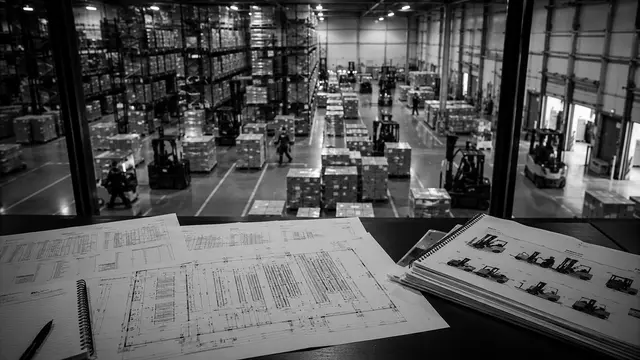
Usually with an operational quickscan on site. I walk the floor and look at how the work actually runs. No questionnaire beforehand and no presentation: half a day on the floor often yields more than a week of meetings.
Does OctaFlow sell forklifts or racking?
No. I sell no equipment, represent no brand and receive no supplier commission. That means the advice can just as easily be that you are better off buying nothing.
Want to talk about your operation?
A logistics or operational challenge? OctaFlow is happy to think along. No fuss, just a good conversation.