
Southeast Brabant is among the most innovative regions in Europe. Around Eindhoven, Helmond, Veghel and Oss, high-tech industry, machine building, food production and international logistics are closely interwoven. That combination means logistics here is not merely supporting, but part of the primary process.
Many companies work with complex goods flows, high service requirements and production that depends on reliable internal logistics. That calls for efficiently arranged warehouses and a fleet that fits the daily operation seamlessly.
Where engineering and logistics meet
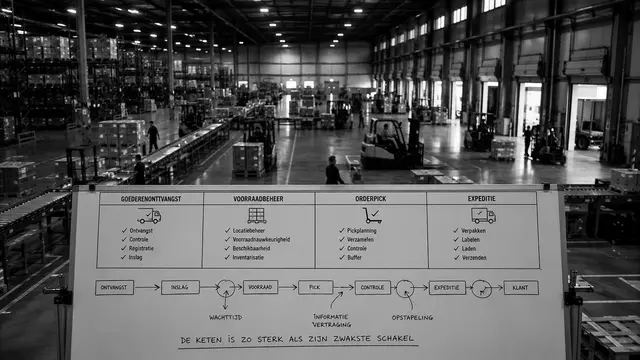
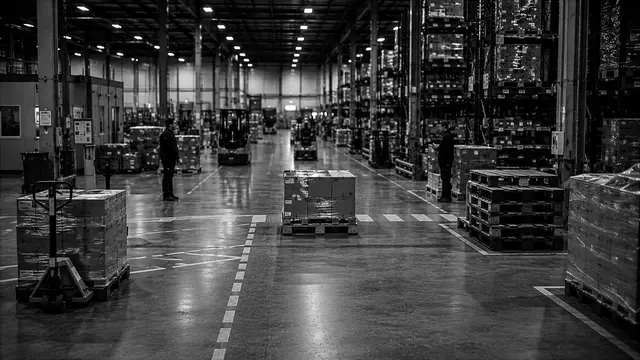
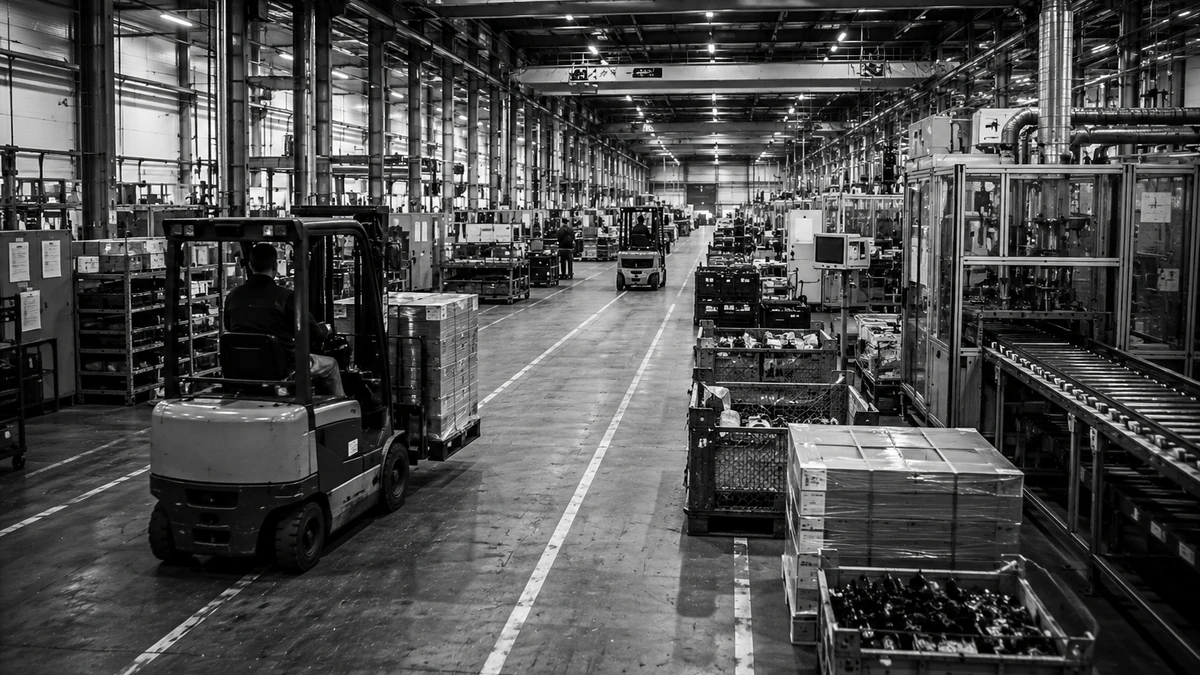
Unlike many traditional distribution centres, it is often not about storage alone here. Materials have to be available for production at the right moment, semi-finished goods move continuously between departments, and downtime has immediate consequences for the schedule.
Reliability and safety therefore weigh at least as heavily as storage capacity. A forklift that is not deployed well, or a layout that once made sense but has been overtaken by the company's growth, causes daily delay that accumulates.
On top of that, more and more companies are investing in electrification and automation. That involves not only the choice of new equipment, but also the available grid capacity and the charging infrastructure that goes with it.
What I regularly encounter here
Every organisation differs, but in Southeast Brabant I often see similar challenges:
- material handling expanded over the years without reassessing the total goods flow
- warehouses where production and logistics start getting in each other's way
- investment in electric forklifts without a clear plan for the charging capacity needed
- doubt between expanding storage or investing in automation
- tenders in which suppliers are difficult to compare objectively
In production environments especially, a small improvement in logistics has a large effect on material availability and therefore on output.
What OctaFlow helps with
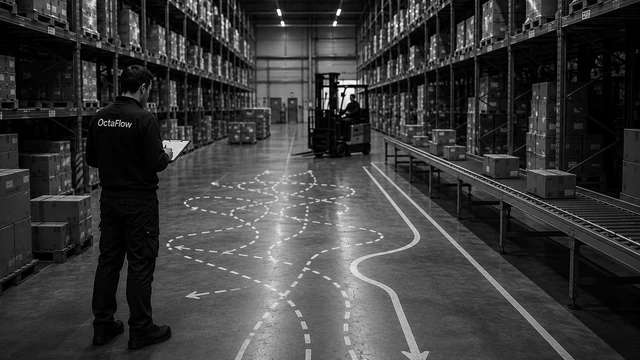
I support companies in Eindhoven, Helmond, Veghel and Oss with independent advice on warehouse optimisation, material handling and logistics process improvement. That usually starts by walking the floor. It reveals where unnecessary movements arise, which processes could run more efficiently, and whether the current fleet still fits today's work.
I also guide equipment investments, tender processes, warehouse layout and preparation for growth. Not from a supplier's interest, but from the operation itself.
Innovation starts with the existing process
Many companies here invest heavily in robots, automation and electrification. At the same time, practice shows the biggest gain does not always come from new technology.
Often the improvement lies in a smarter arrangement of existing processes, better deployment of material handling, or an objective look at the current way of working. Mapping the complete goods flow first creates a solid basis for the investments that follow.
Frequently asked questions
Does OctaFlow also work with manufacturers?
Yes, and in Southeast Brabant that is the rule rather than the exception. Internal logistics in a production environment has different demands than a distribution centre: material has to be available at the right moment or production stops.
Production and logistics are getting in each other's way. What now?
That is one of the most common questions here. Usually the layout was designed for a smaller operation and grew without review. Following the goods flow from start to finish shows where the two cross and what can be done about it.
Should we automate?
Perhaps, but that is rarely the first question. Automating a process that is not sound only makes the problem faster. Get the layout right first, then the technology.
Want to talk about your operation?
A logistics or operational challenge? OctaFlow is happy to think along. No fuss, just a good conversation.