
Rivierenland has developed into one of the most important logistics regions in the Netherlands. Around Tiel, Geldermalsen and Zaltbommel, companies benefit from a position between the Randstad, Brabant and the German hinterland. Thanks to direct access to the A2 and A15, virtually every destination is quickly reachable, which makes the region attractive for national distribution, retail and food logistics.
For many organisations this is a deliberate choice. Not because of the largest port or airport, but because of accessibility and the ability to serve the whole country efficiently.
Modern buildings, changing logistics
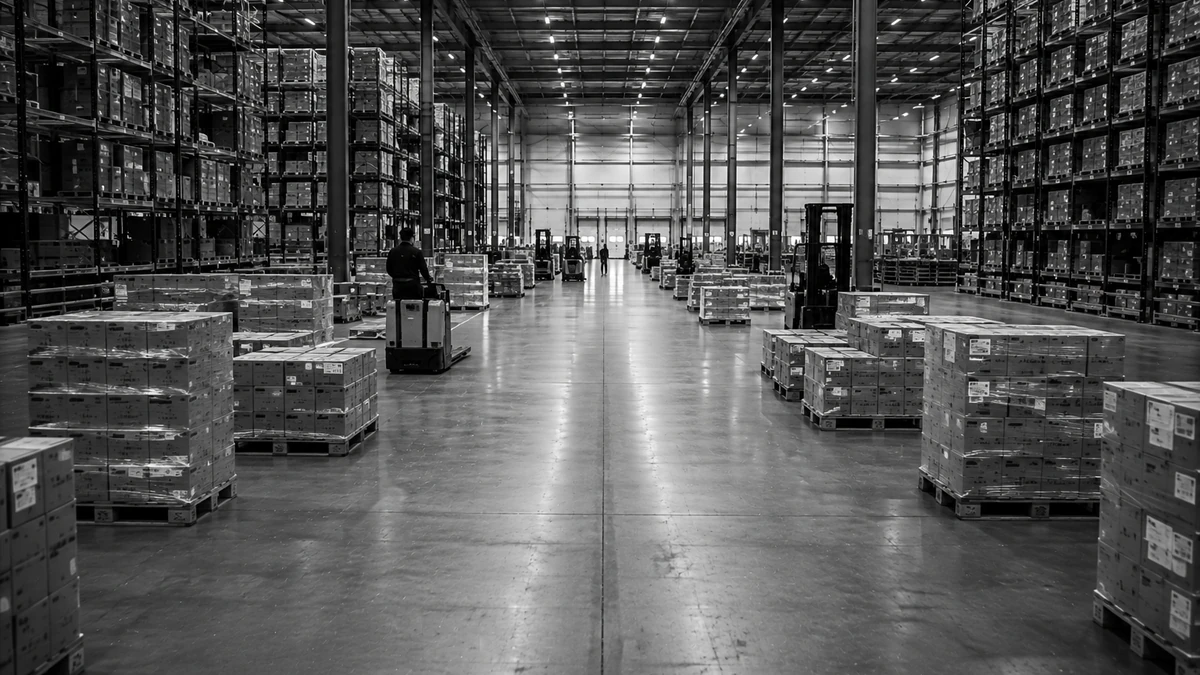
Many warehouses here are relatively modern and were built with growth in mind. Yet logistics changes faster than buildings adapt. Order profiles shift, the number of SKUs rises and pressure on lead times keeps growing. That creates challenges which were not foreseen at the time of construction.
Attention here too therefore shifts from expanding to optimising. How do you use the space more intelligently? Does the fleet still match today's work? And how do you make sure future growth is not limited by choices you make now?
What I regularly encounter here
Every organisation differs, but in Rivierenland I often see the same questions:
- warehouses that grew strongly in a short time, making processes less efficient
- material handling equipment that no longer matches current goods flows
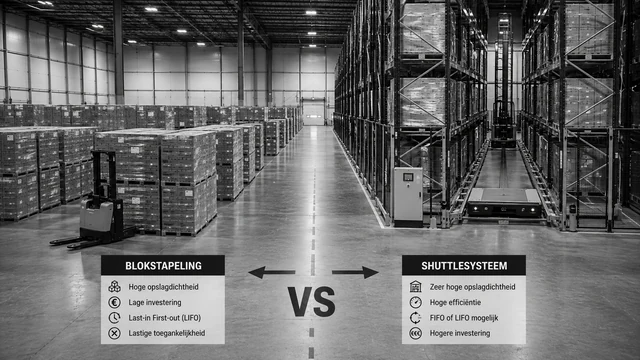
- storage capacity under pressure while the layout still offers room for optimisation
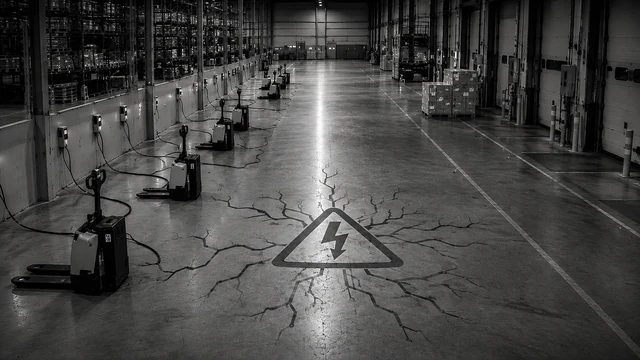
- investment in electrification that runs aground on the limits of the grid connection
- tenders where independent advice helps compare suppliers objectively
Where large numbers of pallet movements take place daily, a small improvement quickly has a large effect on performance.
What OctaFlow helps with
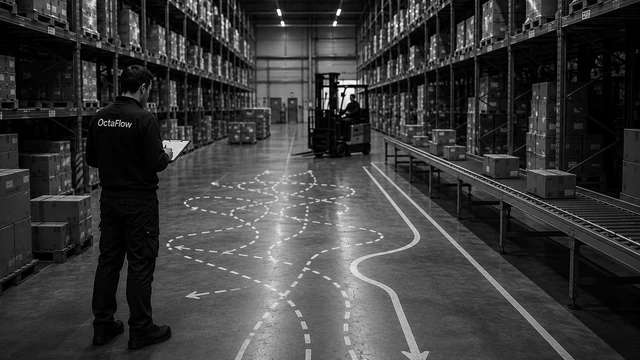
I support companies in Rivierenland with independent advice on warehouse optimisation, material handling and logistics process improvement. That usually starts with a quickscan on site, looking at goods flows, warehouse layout and equipment deployment together. That reveals where capacity is lost and where the biggest opportunities lie.
I also guide equipment selection, tender processes and questions around electrification and charging infrastructure.
Preparing for what is coming
Many companies here are investing in further growth. New customers, higher volumes and shorter lead times call for a warehouse that not only runs efficiently today, but still fits in a few years.
Looking critically at the existing operation first makes clear which investments genuinely contribute. Often the biggest gain lies not in more equipment or extra storage space, but in a smarter arrangement of processes, goods flows and material handling.
Frequently asked questions
Our warehouse is fairly new. Is there anything to optimise?
Often yes. A new building was designed for the situation at the time. As soon as order profiles shift or the number of SKUs grows, the original layout no longer fits automatically. That is not a design flaw but a consequence of growth.
Does OctaFlow also come to Tiel and Zaltbommel?
Yes. Rivierenland is one of the regions I visit regularly. Tiel, Geldermalsen and Zaltbommel are all included.
We want to electrify. Where does that usually get stuck?
On peak power, not on consumption. As soon as several trucks go on charge at once, the capacity demanded at a single moment is often greater than the connection can handle. That calls for charge management or phased charging, not necessarily a heavier connection.
Want to talk about your operation?
A logistics or operational challenge? OctaFlow is happy to think along. No fuss, just a good conversation.