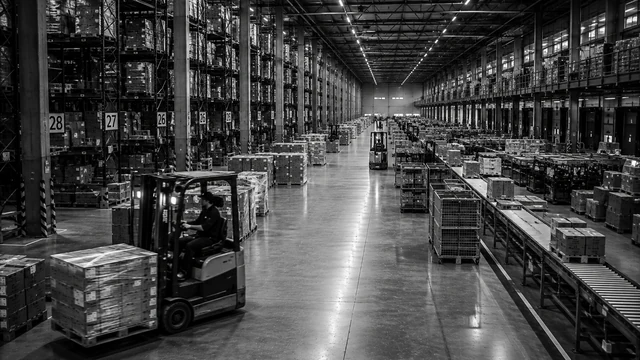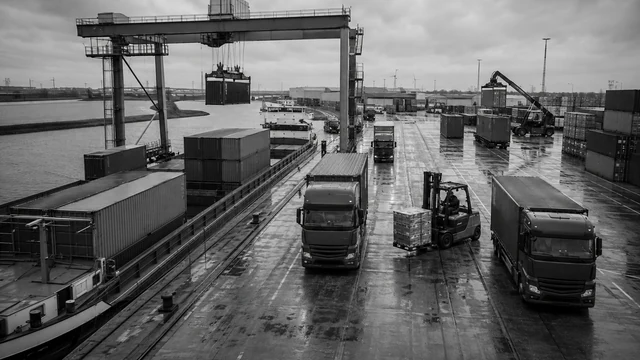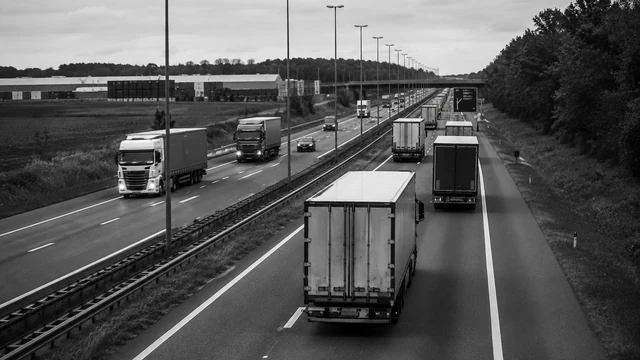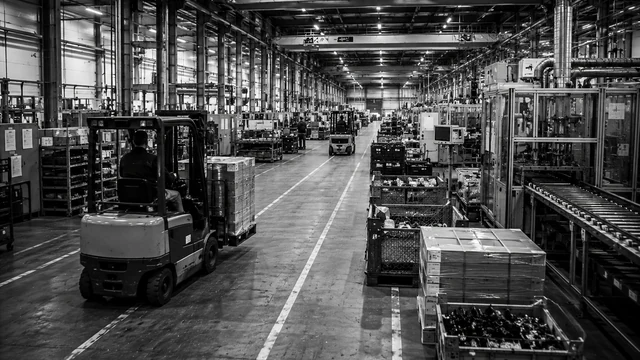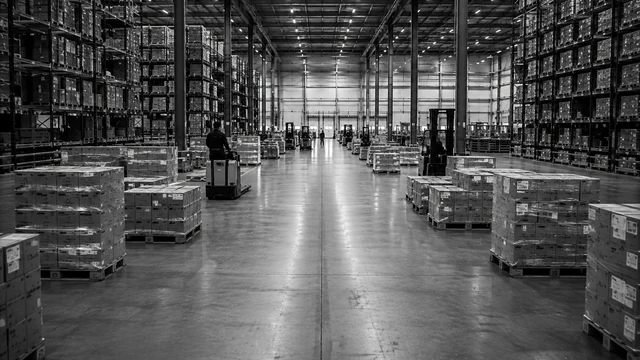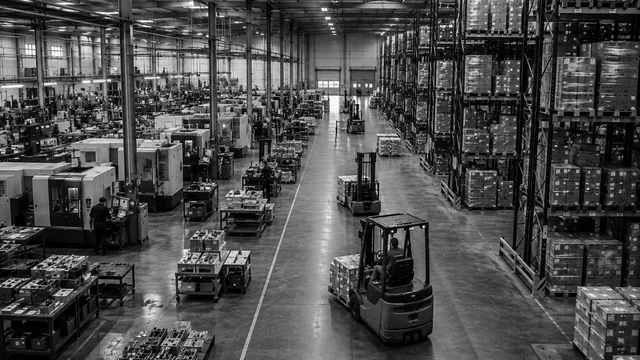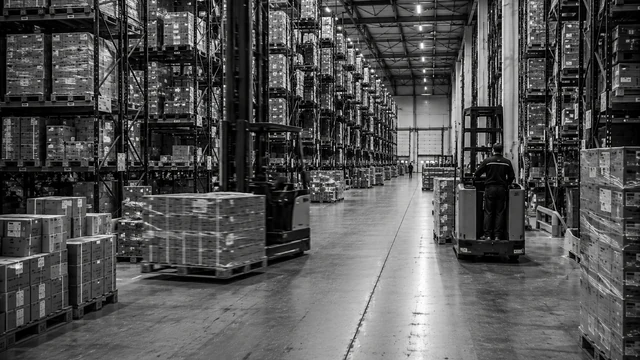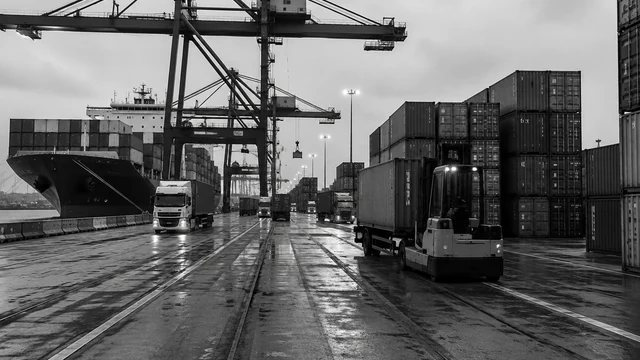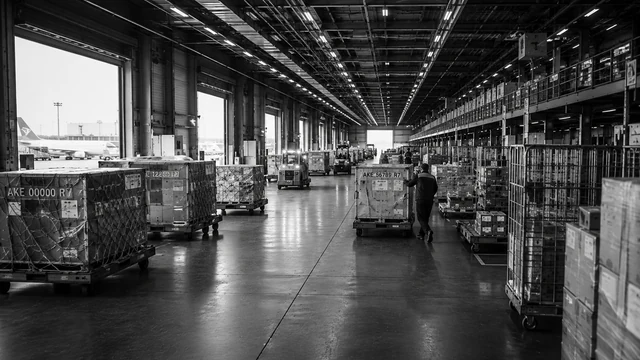

A logistics hotspot is a region where distribution centres, warehousing and transport concentrate heavily, almost always around a junction of motorway, rail, water or airport. The Netherlands has roughly ten of them, ranked annually in the Logistics Hotspots election. That is where the highest density of large warehouses sits, and therefore most of the questions around material handling, warehouse layout and energy.
The Netherlands is small enough to reach anywhere, and I do. But the vast majority of the work takes place in a handful of regions. That is no coincidence: those are the sites where dozens of forklifts operate at once, where the wrong fleet decision immediately costs six figures, and where the grid connection has become a design question.
The south: Brabant and Limburg
This is the heart of Dutch logistics. Central Brabant, with Tilburg and Waalwijk, has topped the hotspot ranking for years. Around it sit West Brabant (Breda, Roosendaal, Bergen op Zoom and Moerdijk), North Limburg (Venlo and Venray) and Southeast Brabant (Eindhoven, Helmond, Veghel, Oss and Den Bosch).
What these regions share is scale. Large distribution centres, sizeable fleets of internal transport equipment, often running shifts. At that scale, small choices count heavily: a reach truck specified structurally too heavy, an aisle width that does not match the equipment, or a tender in which the residual value of the old fleet was never arranged. And because this corridor runs towards Germany, lead time and reliability weigh more than average.
The Randstad and the mainports
Around Rotterdam-Rijnmond and the Drechtsteden and around Schiphol and the Amsterdam Metropolitan Area, the work looks different. Here it is more often about complex flows than volume alone: port and air freight logistics, many parties in the same chain, and tight time windows.
Add to that the pressure on space. In the A12 corridor (Zoetermeer and Waddinxveen) and the Utrecht region (Lage Weide, Nieuwegein and Vianen), companies regularly sit in buildings older than their current process. Expanding is not an option, so the answer has to come from the layout. That is exactly the kind of question where a fresh look at the goods flow delivers more than extra equipment.
East and north
Rivierenland (Tiel, Geldermalsen and Zaltbommel), Twente (Almelo, Hengelo and Enschede) and Flevoland (Almere, Lelystad and Zeewolde) are the regions where most has been newly built in recent years. Newer buildings, more spacious, more often automated from day one.
That brings its own questions. A new building is the moment when everything is fixed anew: the fleet, the layout, the charging infrastructure and the grid connection. Design only for today's situation and you will hit limits a few years later that are far more expensive to move.
What a first visit looks like
I come by, walk the floor and look at how the work actually runs. No questionnaire beforehand, no presentation. Half a day on the floor often yields more than a week of meetings, simply because the bottlenecks become visible where they arise.
Want an impression without an appointment first? Take the free online performance check. Fifteen questions, an instant report with the main areas for attention.
And beyond those regions?
The regions above are where most of the work sits, not a boundary. OctaFlow operates nationwide, so in Zeeland, Gelderland, Groningen or South Limburg you are equally in the right place. Feel free to get in touch to see whether it fits.