
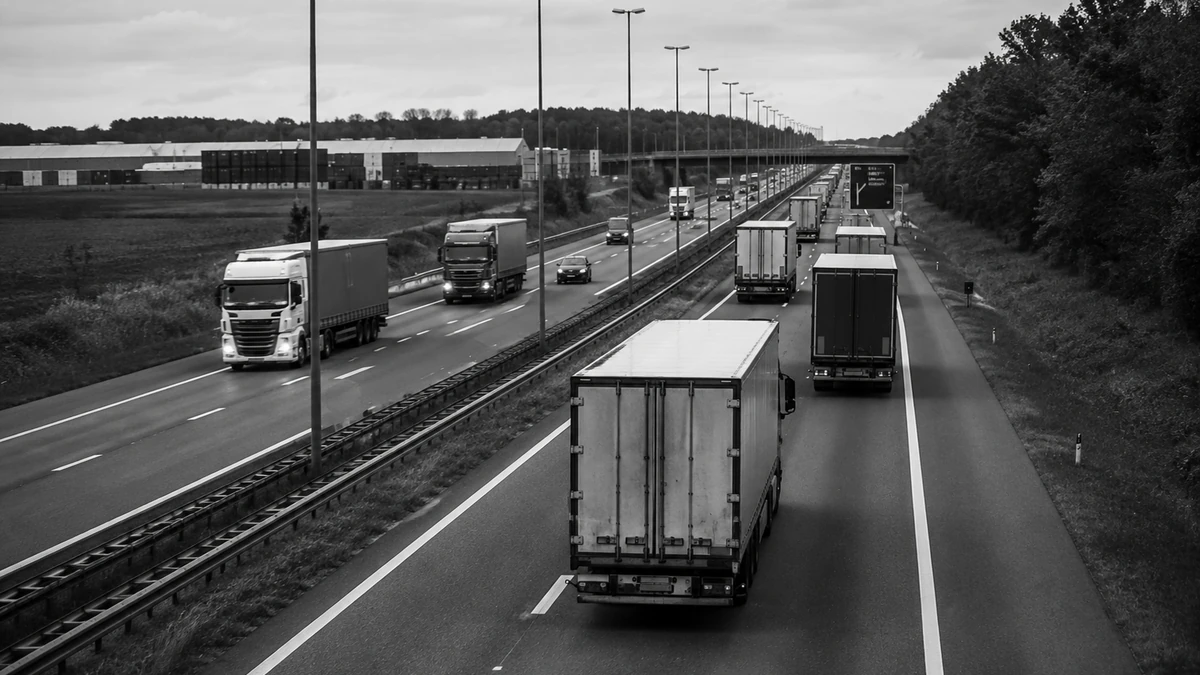
Venlo and Venray have been among the most important logistics regions in the Netherlands for years. The location on the German border, the connections towards the Ruhr area and the presence of road, rail and inland waterway links make North Limburg a logical base for international distribution centres. Thousands of shipments leave here daily for Germany and the rest of Europe.
For many companies this is therefore the base for European distribution. But that international orientation brings specific challenges.
Reliability above all
Many warehouses here handle goods for several European countries at once. It is therefore not only about storage, but above all about a predictable goods flow. Orders have to leave on time, transport has to connect to international schedules, and delay works straight through into the rest of the chain.
On top of that, pressure on space and energy is growing. New distribution centres keep getting larger, while demand for electric forklifts and charging facilities keeps rising. That means looking further ahead than today's investment.
What I regularly encounter here
Although every operation is unique, I often see the same questions in North Limburg:
- international distribution centres that grew quickly without revisiting the internal goods flow
- forklift fleets that were expanded while deployment per truck varies widely
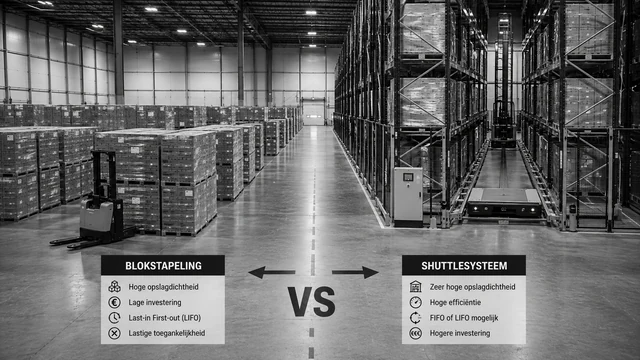
- storage capacity under pressure, making every square metre count
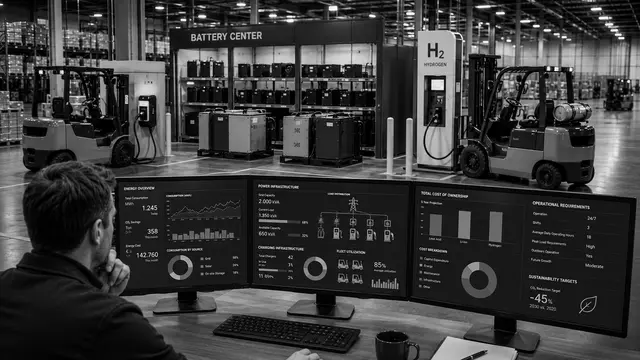
- investment in lithium-ion or charging infrastructure where grid capacity proves the limiting factor
- tenders in which comparing suppliers objectively is difficult
At large European distribution centres, such choices feed straight through into productivity, cost and delivery reliability.
What OctaFlow helps with
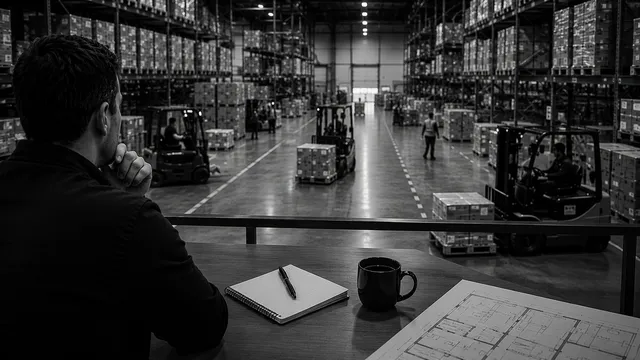
I support companies in Venlo and Venray with independent advice on warehouse optimisation, material handling and the energy transition. That usually starts with a quickscan that looks not only at the equipment but at the complete goods flow. Where do unnecessary movements arise? Does the fleet still match the operation? Is expansion really needed, or can existing capacity be deployed more intelligently?
I also guide investments in material handling equipment, tender processes and preparation for further growth.
Growing without unnecessary investment
Many warehouses in this region have been expanded step by step. Extra racking, extra trucks and extra people solve a capacity problem in the short term, but do not automatically make the operation more efficient.
That is why it pays to look critically at existing processes first. Small improvements in routing, layout or the deployment of material handling often deliver more than a new investment, and keep operational costs in check as you continue to grow.
Frequently asked questions
Does OctaFlow work in North Limburg?
Yes. Venlo and Venray are among the regions I visit regularly. North Limburg has been in the top three Dutch logistics hotspots for years.
What is specific to European distribution centres?
Predictability. Because they serve several countries at once, transport has to connect to international schedules. A delay inside the warehouse therefore works straight through into the entire chain.
We are growing fast. Should we expand?
Not necessarily. Many warehouses here were expanded step by step without revisiting the goods flow. There is often capacity left in the existing layout, and that is almost always cheaper than building.
Want to talk about your operation?
A logistics or operational challenge? OctaFlow is happy to think along. No fuss, just a good conversation.