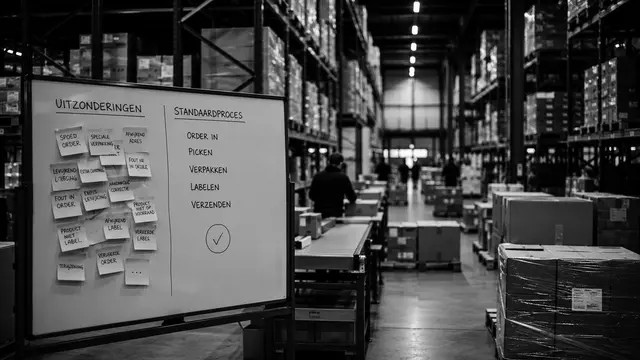
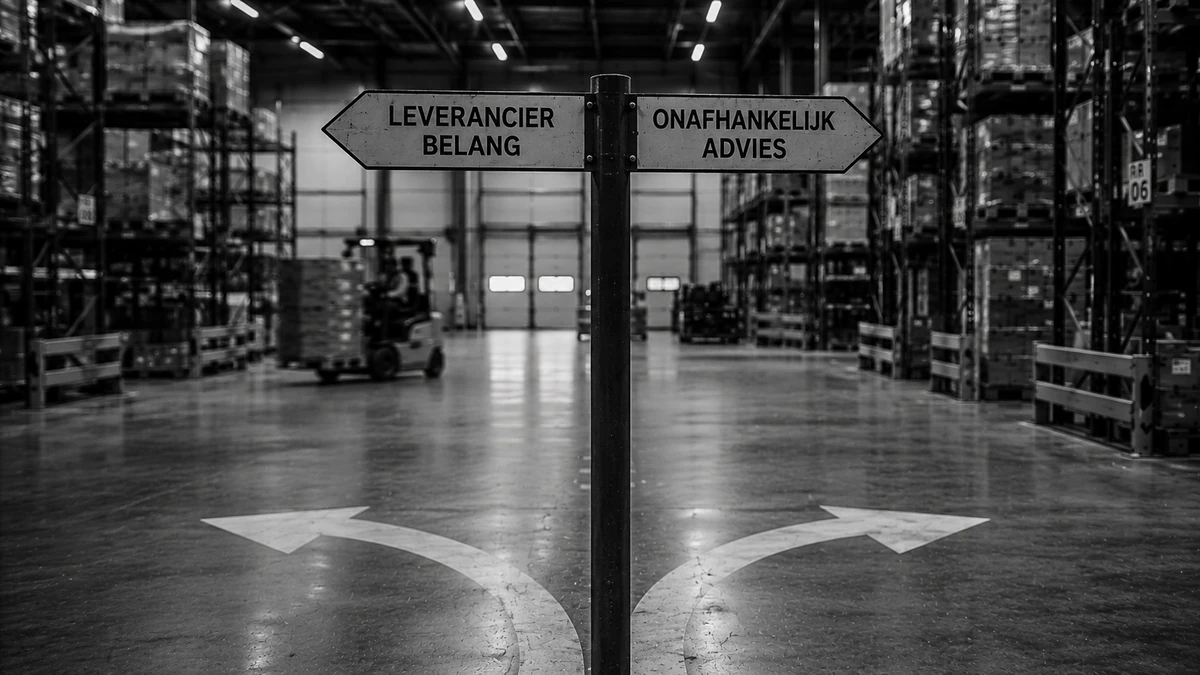
The term independent logistics consultant is used widely, by more parties than you might expect. Not everyone who uses it actually lives up to it in practice. The difference is not in the text on a website, but in the business model behind it.
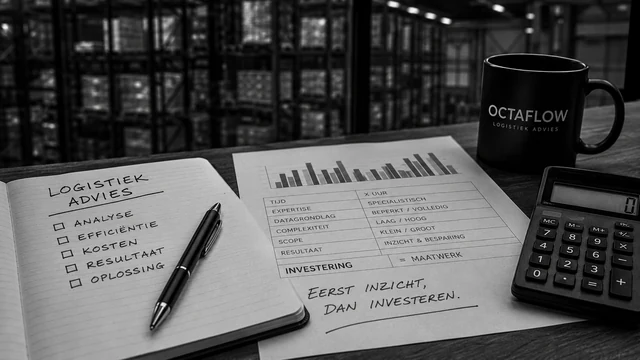
An independent logistics consultant receives no provisions or commissions from suppliers and is therefore not paid to sell a specific brand, system or supplier, but advises purely based on what best fits the operation.
What independence actually means in practice
A consultant is only truly independent when the advice is not influenced in any way by who benefits when something is purchased. That sounds obvious, but in practice many advisory relationships in logistics are intertwined with supplier interests.
Think of a consultant who also sells or leases forklifts, or who receives a fee from the party that ultimately delivers the system. The advice can still be good, but the question remains: was this the best advice, or the advice that worked out best for the consultant?
Why this difference is felt in practice
A supplier rarely advises you to buy nothing. That is not meant dishonestly, it simply fits the business model: a forklift seller thinks in forklifts, an automation supplier thinks in automation. Each looks at the question from its own range of products.
An independent consultant does not have that range of products. They start with the problem, not with the solution that happens to be in their own catalogue. Sometimes the outcome is therefore: nothing needs to be purchased, the problem lies elsewhere. That is also exactly why the cost of logistics advice can differ so much between supplier-tied and independent consultants.
How to recognise the difference
A few simple questions expose it. Does the consultant receive any form of payment from suppliers. Is the company also active in selling or leasing equipment or systems. Are you paying for the advice itself, or only for the eventual solution.
At OctaFlow the answer is always the same: no payment from suppliers whatsoever, no sale of equipment, payment only for the advice itself. That is not automatically better for every situation, but it is clear where you stand.
Frequently asked questions
What does independent logistics advice actually mean?
It means the consultant receives no payment whatsoever from suppliers and sells no equipment or systems. The advice is therefore completely detached from the sale of any particular solution.
How do I recognise whether a consultant is independent?
Ask directly whether the consultant receives commission from suppliers, and whether the company itself also leases or sells equipment. An honest answer to that question often says more than the text on a website.
Is independent advice always better than supplier advice?
Not by definition, but the starting point differs. A supplier thinks from its own range of products, an independent consultant starts from the problem. Sometimes the outcome is therefore: nothing needs to be purchased at all.

Sjef Kerkvliet is the founder of OctaFlow and has more than 15 years of experience in intralogistics, warehouse optimisation and internal transport. Drawing on his hands-on experience, he helps organisations with questions around goods flows, process improvement, warehouse layout, automation and operational efficiency.
Want to talk about your operation?
A logistics or operational challenge? OctaFlow is happy to think along. No fuss, just a good conversation.