
Logistics process optimisation means structurally improving existing ways of working within a logistics operation, first examining why a process is the way it is before looking at new systems or extra capacity.
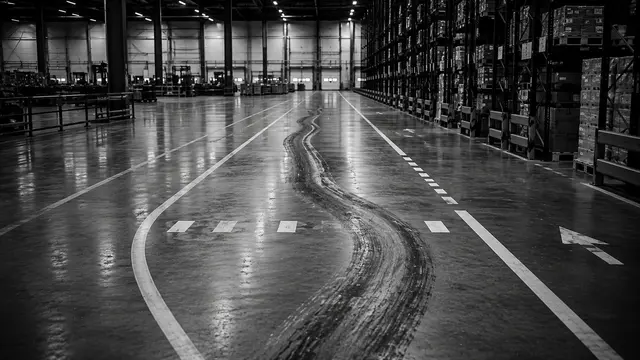
Virtually every logistics organisation knows them: damaged racking in the same location, delays that occur around the same time every week, discussions between departments about exactly the same topic. These problems are rarely ignored, on the contrary, people often work hard to solve them. And that is exactly where the danger lies: an organisation can become so good at solving problems that nobody asks any more why they keep returning.
Below are the questions I get asked most often about this, followed by all articles on the topic.
Where do I lose time and money in my logistics operation?
Dashboards alone rarely tell that story. Recurring problems are rarely recorded, precisely because they keep getting solved by employees jumping in and planners shuffling work around. That keeps the operation running, but also keeps the structural cost invisible.
Signals that losses are going unnoticed:
- the same problem returning in the same spot
- delays that occur around the same time every week
- discussions between departments about exactly the same topic
- improvised fixes that were never removed
- employees who structurally jump in to fix something
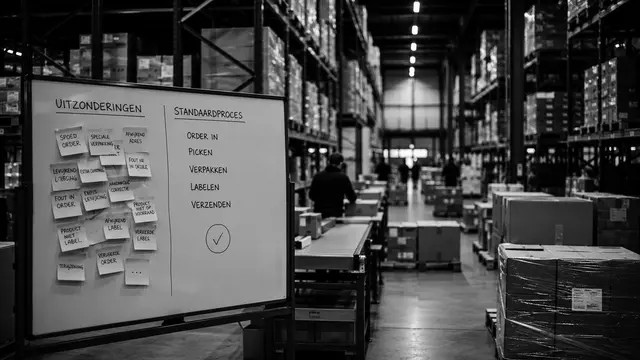
- exceptions that get more attention than the regular process
See why some warehouses keep solving the same problems over and over, why temporary solutions are rarely temporary and why companies often pay too much attention to exceptions.
How do I increase productivity without immediately adding more people?
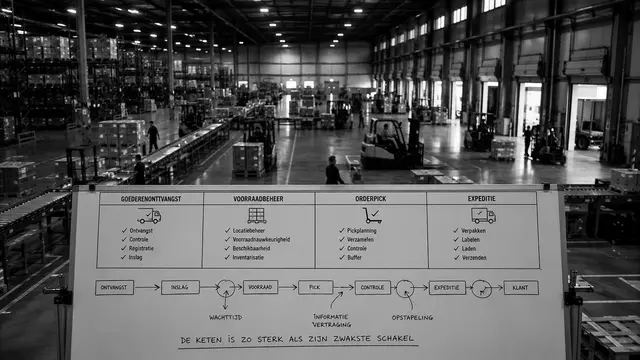
When pressure increases, extra capacity is the most obvious response. But an operation in which every department performs well individually is not automatically an operation that performs well as a whole. The biggest gains often lie in the handover between departments, not within the departments themselves.
Inbound, inventory and dispatch can each function fine on their own, and still together form a sluggish operation. Read why good departments can still form a poor operation together and why process optimisation often starts somewhere other than people think.
Which parts do I improve or automate first?
Not every process is a good candidate for automation. This is what I look at first.
Frequency and volume
High-frequency, repetitive actions deliver the fastest payback from improvement or automation.
Predictability
A process with many exceptions is hard to automate before those exceptions have been reduced.
Documentation versus people's heads
If the knowledge sits mainly in a few people's heads, the basis for automation is missing first.
Error sensitivity
Processes with a lot of manual handover and errors often deliver the biggest quality gains.
The shop floor often knows where things go wrong before the system that measures it does. See why employees often know what is going wrong before management does and why practice always beats the process.
What does a process change actually deliver?
Without a baseline measurement, there is no way afterwards to establish whether an improvement actually delivered anything, however good it sounds on paper. So before making a change, record what genuinely matters: lead time, error rate, utilisation or cost per action.
The same applies to advice itself. See what a logistics consultant costs and what makes an independent logistics consultant different, precisely because independent advice isn't driven by an interest in a particular solution.
How do I set up my operation for growth without repeatedly investing?
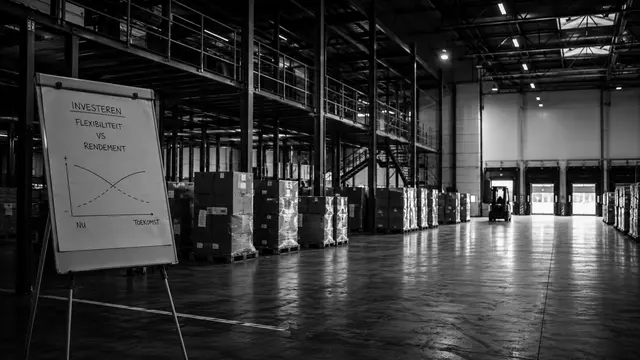
By designing processes so the assumptions behind them don't collapse immediately at higher volumes, and by not letting knowledge depend on one person. Customer contracts often have a limited term, but the operation still needs to stand after that.
See how you invest for the long term when customers can leave tomorrow and why your best employee can sometimes be your biggest risk. Want to know first where your operation stands today? The free Warehouse Performance Check gives an initial picture in fifteen questions.
Frequently asked questions
How do I get visibility into where my logistics operation loses time and money?
Not only by looking at dashboards, but by counting recurring problems: the same breakdown in the same spot, the same discussion between departments, the same delay at the same moment. These patterns are rarely recorded because they keep getting solved, even though together they often form the biggest cost item.
How can I increase my warehouse productivity without immediately deploying more people?
By first looking at the handover between departments and the time lost to waiting, searching and duplicate work. An operation in which every department performs well individually does not automatically perform well as a whole. Gains often lie in the seams between processes, not in extra capacity.
How do I know which parts of my logistics process to improve or automate?
Start with processes that are high-frequency, predictable and well documented, those are the best candidates for improvement or automation. Processes that rely on the experience of one key employee or are full of exceptions need structure first before automation makes sense.
How do I determine what a change to my logistics process actually delivers?
By taking a baseline measurement before the change, on the points that genuinely matter: lead time, error rate, utilisation or cost per action. Without that baseline, there is no way afterwards to establish whether an improvement actually delivered anything, however good it sounds on paper.
How do I set up my logistics operation for growth without repeatedly making large investments?
By designing processes so they are scalable without the assumptions behind them collapsing immediately at higher volumes, and by not letting knowledge depend on one person. Investing in structure and knowledge retention often delivers more than repeatedly investing in extra capacity.
Want to discuss your operation?
A logistics or operational question? OctaFlow is happy to think along. No fuss, just a good conversation.