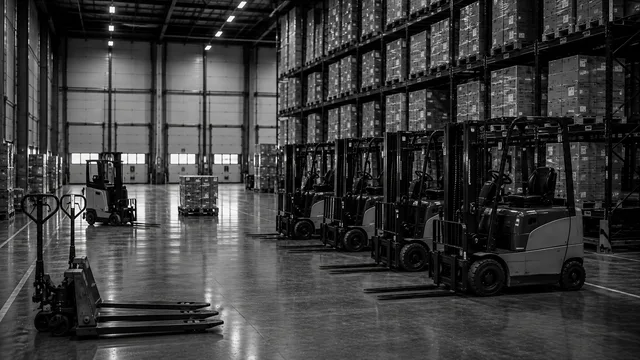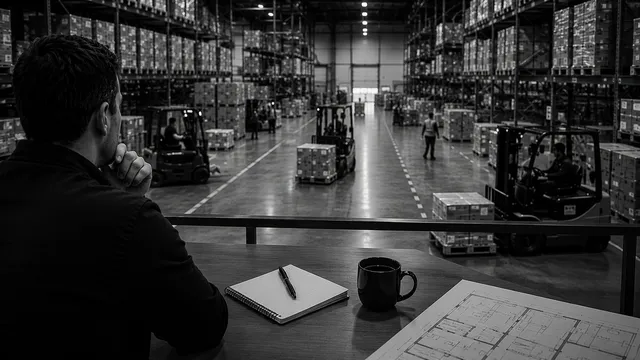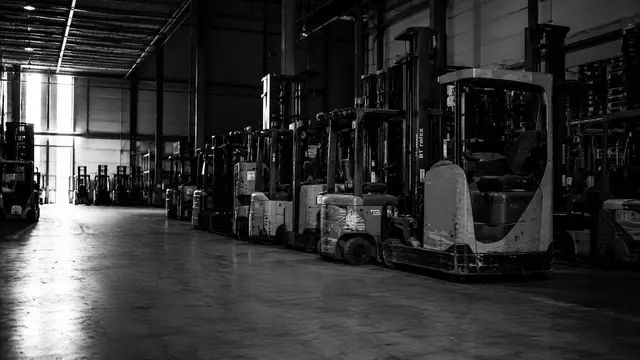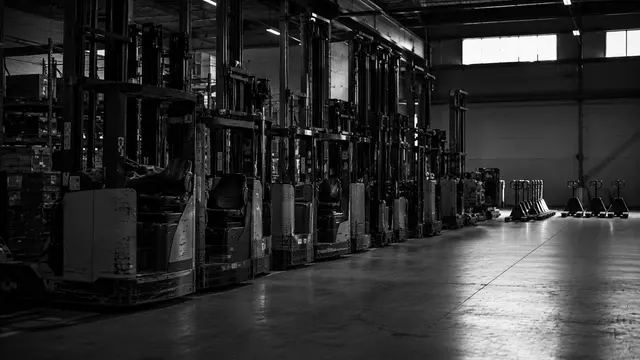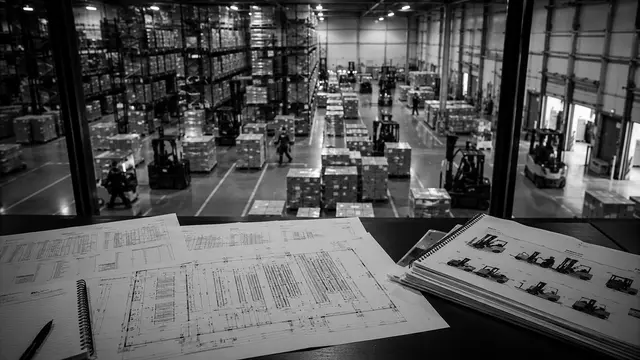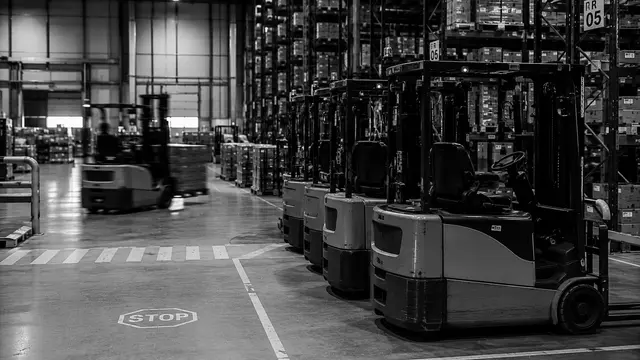

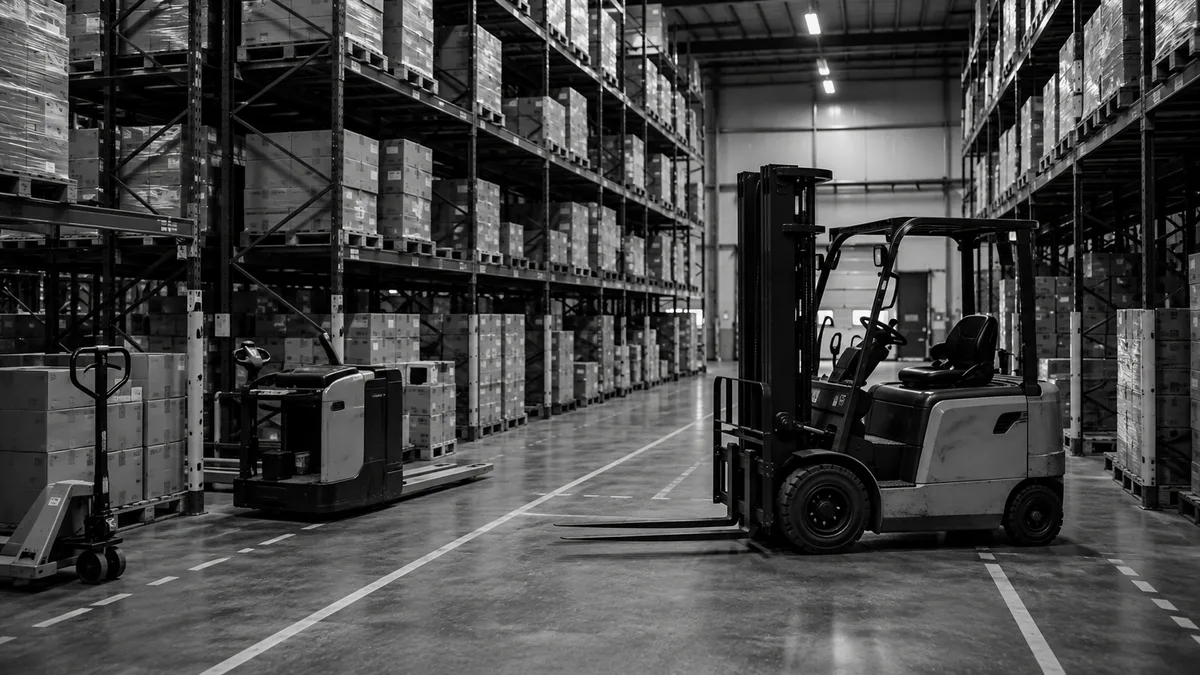
MHE (Material Handling Equipment) is the collective term for all internal transport equipment in a warehouse or production environment: forklifts, reach trucks, pallet trucks, order pickers, very narrow aisle trucks, terminal tractors and the associated batteries, chargers and attachments.
In almost every operation I visit, I see the same patterns return. The fleet has grown over the years without anyone knowing exactly why each machine is still there. The purchase price of new equipment gets negotiated hard, while the residual value of the old equipment receives barely any attention. And when capacity problems arise, the first response is almost always to add another truck.
A forklift supplier thinks in forklifts, that is not ill will, it is simply the business model. At OctaFlow I sell no equipment and represent no brand. That means the advice can just as easily be that you are better off disposing of two trucks than buying another one. Below are the questions I get asked most often about this, followed by all articles on the topic.
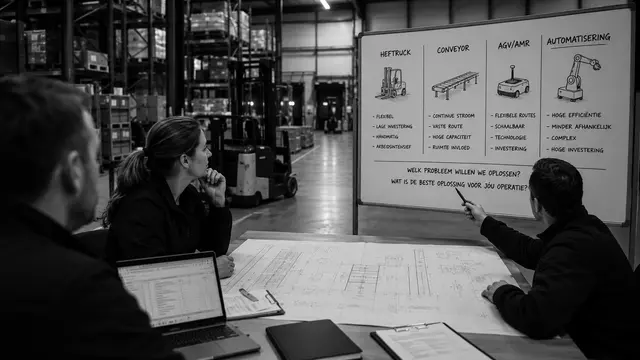
Which forklift or warehouse truck fits my operation?
The choice of truck type doesn't start with a brand, it starts with the profile of the operation. Only once that is clear does comparing brands become meaningful rather than guesswork.
Type of load and pallets
Weight, dimensions and the number of lift and place actions per hour determine the capacity and lift height needed.
Aisle width and space
A very narrow aisle truck requires different racking than a reach truck. This choice is directly linked to the warehouse layout.
Indoors, outdoors or uneven ground
Tyre choice and suspension are entirely different outdoors compared with a smooth warehouse floor, and help determine which truck type suits.
Usage intensity
A truck running all day needs different specifications than equipment used for only a few hours a day.
Power source
Electric, gas or diesel determines not only deployability but also the charging or fuelling facilities you need.
Ergonomics and safety
Sightlines, step-in height and ease of operation affect operator productivity over a full shift.
Only once this profile is sharp does it become meaningful to compare brands. See which forklift brand is best? for sixty MHE suppliers listed and how to narrow that down to the ones that fit your operation.
Are you actually aligned internally? In the free Octagon each role divides 40 points across eight dimensions of an MHE decision separately, and one picture shows you where the priorities diverge.
How much material handling equipment do I actually need?
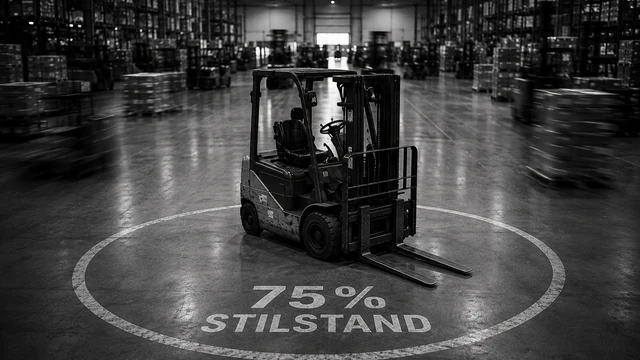
This is the question I get the most surprising answer to most often. Busyness feels like a shortage, but says little about utilisation. More often than a real shortage, I see a poor allocation of equipment across the operation.
Signals that fleet size no longer fits:
- trucks standing idle for large parts of the day
- low utilisation despite a sense of busyness
- equipment structurally located in the wrong place
- peaks handled with extra trucks instead of planning
- machines mainly kept as a reserve
- a fleet that grew alongside the operation but was never recalibrated
Operating hours and utilisation rate tell the real story. Read why your forklift probably stands still more than it drives and how many forklifts a warehouse really needs. Often the conclusion is that part of the fleet is too large, see why a large fleet is not always an advantage and why extra forklifts often solve the wrong problem.
How do I fairly compare brands and MHE solutions?
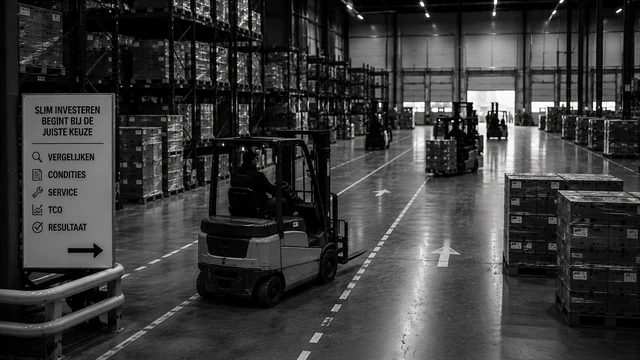
Not on purchase price alone. A quotation that looks most attractive on paper is not always still that in five years. Look at total cost over the useful life: maintenance, energy or fuel, expected residual value, delivery time and service in your region.
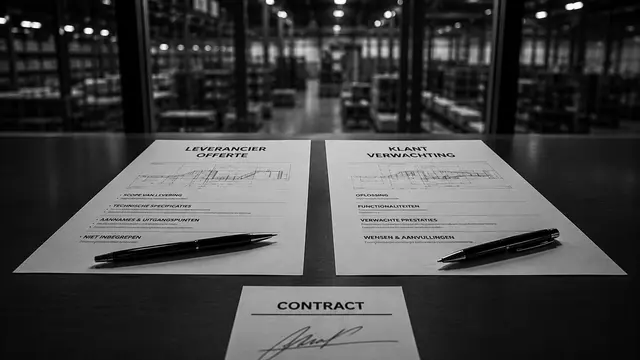
That matters even more in a tender with multiple suppliers. See why the best solution is not always in the quotation and why many MHE tenders start off on the wrong foot, usually because the current fleet is used as the starting point instead of actual need.
Buying, leasing or renting: what is financially most attractive?
That depends mainly on how long you'll use the equipment and how certain that usage is. For long-term, predictable deployment, buying or a finance lease is often more cost-effective over the full term. For peaks, seasonal work or an operation that may still change, renting or an operating lease gives more flexibility at a higher price per hour.
This is not a decision to make on gut feeling, but on expected usage, the role of capital in your business and the terms you agree. For when a tender manager can help and what belongs in the contract, read when to involve a tender manager in an MHE purchase and why a signature does not automatically create clarity.
When do I replace or decarbonise existing equipment?
Not simply once a machine reaches a certain age, but once maintenance costs and breakdowns increase, residual value declines faster than the savings on maintenance, or switching to electric equipment delivers a benefit within your energy situation.
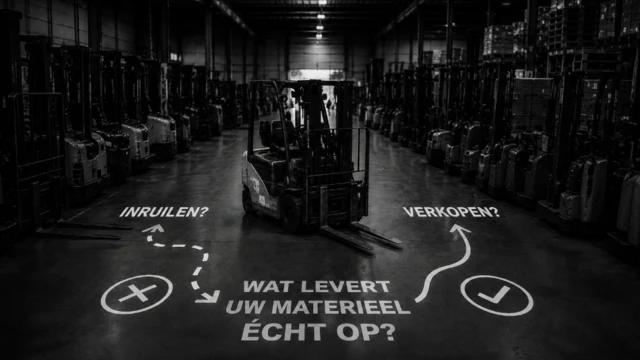
Selling or trading in at the right moment makes a real difference, see selling or trading in your forklift and the forgotten phase of fleet renewal. Considering electrification? That also touches charging infrastructure and your electricity contract, covered in energy transition and charging infrastructure.
Frequently asked questions
How do I determine which forklift or warehouse truck best fits my operation?
That doesn't start with a brand or model, but with the profile of the operation: the type of load and pallets, aisle width and working height, whether it operates indoors, outdoors or on uneven ground, how intensively the equipment is used, and which power source fits. Only once that picture is clear does choosing between, say, a reach truck, a very narrow aisle truck or an electric forklift become a real decision instead of a guess.
How do I determine how much material handling equipment I actually need?
By looking at actual utilisation rather than a sense of busyness. Operating hours, waiting times and demand peaks show whether the fleet fits the operation. In practice I see a poor allocation of equipment more often than a genuine shortage, and adding another truck does not fix that.
How do I fairly compare forklifts and other MHE solutions from different brands?
Not on purchase price alone, but on total cost over the useful life: maintenance, energy or fuel, expected residual value, delivery time and service in your region. A quotation that looks most attractive on paper is not always still that in five years.
When is buying, leasing or renting material handling equipment financially most attractive?
That depends mainly on how long you'll use the equipment and how certain that usage is. For long-term, predictable deployment, buying or a finance lease is often more cost-effective. For peaks, seasonal work or an operation that may still change, renting or an operating lease gives more flexibility at a higher price per hour. This is not a decision to make on gut feeling, but on expected usage and the role of capital in your business.
When is it wise to replace or decarbonise existing material handling equipment?
When maintenance costs and breakdowns increase, when residual value declines faster than the savings on maintenance, or when switching to electric equipment delivers a financial or operational benefit within your energy situation. Replacing equipment purely because of its age is rarely the right reason, actual performance and cost are.
Want to discuss your operation?
A logistics or operational question? OctaFlow is happy to think along. No fuss, just a good conversation.